The 45th parallel runs through Bordeaux and Piedmont—and cuts straight through northwest Michigan. For ingredient suppliers and R&D teams developing premium grape-based products, understanding what makes the Traverse Wine Coast distinct matters: the region is producing grapes with measurable structural properties that rival established cool-climate zones.
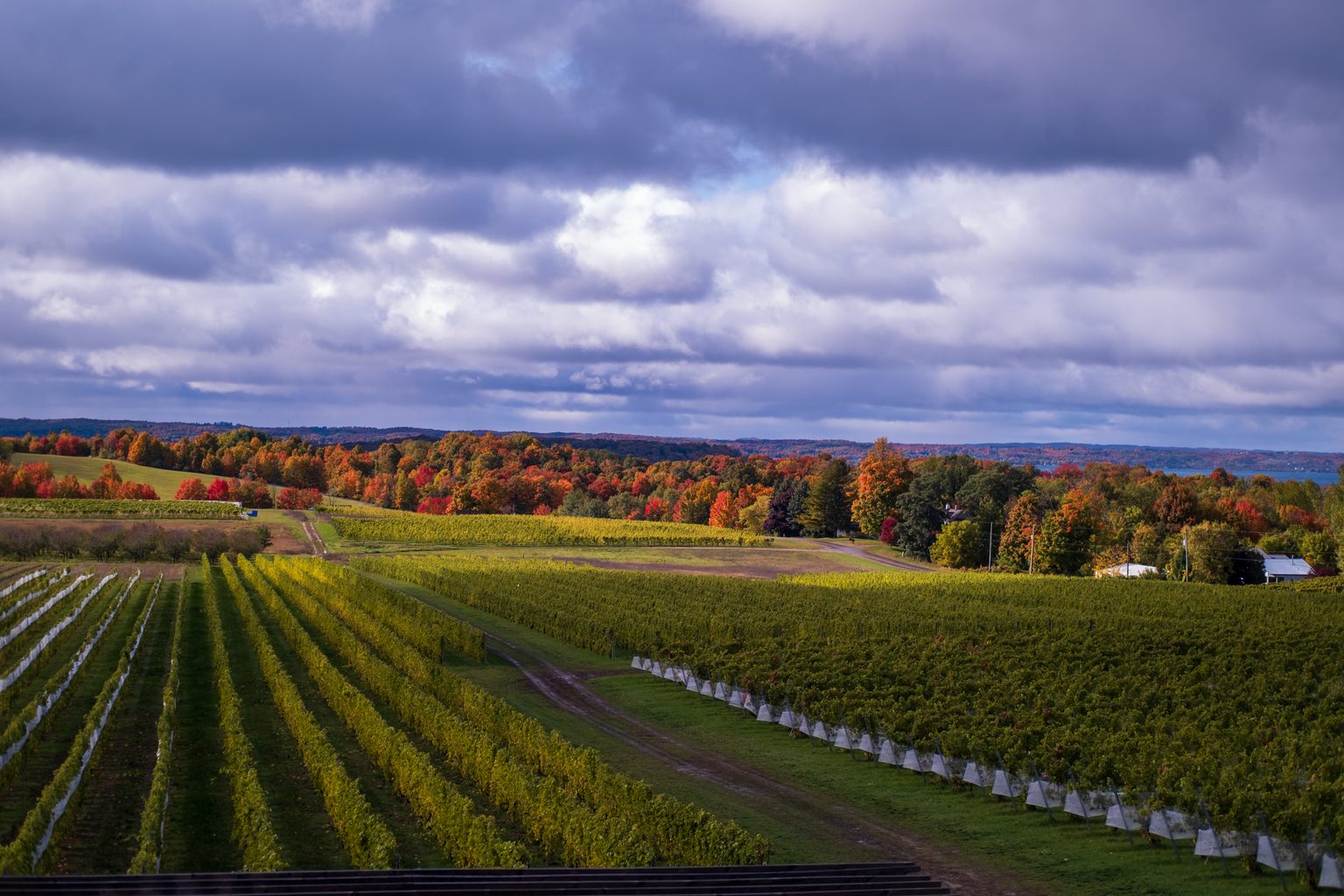
The Traverse Wine Coast encompasses the wineries of the Leelanau and Old Mission Peninsulas, two distinct landmasses shaped by glacial movement and buffered on nearly every side by the deep, cold waters of Lake Michigan and Grand Traverse Bay. That water is the key to formulation success. It moderates temperature, softens frost risk, and stretches the growing season just long enough for grapes to develop the slow, even maturation that produces wines of real structure, bright acidity, concentrated aromatics, and balance that doesn't feel manufactured.
Old Mission Peninsula: Soil Composition and Varietal Performance
Old Mission Peninsula—a nineteen-mile-long landmass flanked by water on both sides—features well-drained sandy soils that deliver distinctive processing characteristics. Cabernet Franc from this peninsula shows surprising elegance in final products; Gewurztraminer leans floral without tipping into excess, and sparkling wine production achieves the kind of tension in mouthfeel that drives consumer preference. For formulators developing wine-based ingredients or products, these consistent varietal expressions represent a reliable supply of grapes with predictable tannin structures and aromatic profiles.
Leelanau Peninsula: Glacial Soils and Cool-Climate Advantages
The Leelanau Peninsula features rolling hills with glacial soils that produce distinctive grape chemistry. Riesling from this region delivers measurable acidity and flavor compounds comparable to German producers, alongside Chardonnay and Pinot Noir that achieve cooler-climate maturation profiles similar to Burgundy—not through style imitation, but through identical land logic and growing conditions. For ingredient development, these grapes offer fermentation characteristics and natural acid retention that reduce the need for post-harvest adjustment.
Accessibility and Supply Chain
The region is positioned within reach of major production and distribution networks. Over twenty direct flights connect the region to major cities, and Chicago sits within a five-hour drive. Most wineries ship, and established distribution channels make sourcing reliable. The Traverse Wine Coast has demonstrated consistent quality across multiple harvests, with the region hosting the second annual Traverse City Food & Wine Event, drawing James Beard-recognized chefs and wines from both peninsulas.
For R&D teams and ingredient suppliers, the Traverse Wine Coast represents a cool-climate source with measurable structural consistency. The region is still expanding production capacity and refining varietal expression—a significant advantage for suppliers seeking partnerships in emerging wine regions with established terroir credentials and proven grape chemistry. The comparison to Napa or Sonoma is inevitable, but those regions are finished stories, known quantities. Traverse Wine Coast is still being written, offering product developers early-stage access to a region with established quality benchmarks and room for supply growth.
Traverse Wine Coast spans the Leelanau and Old Mission Peninsulas in northwest Michigan. For planning information, visit traversecity.com/traverse-wine-coast.