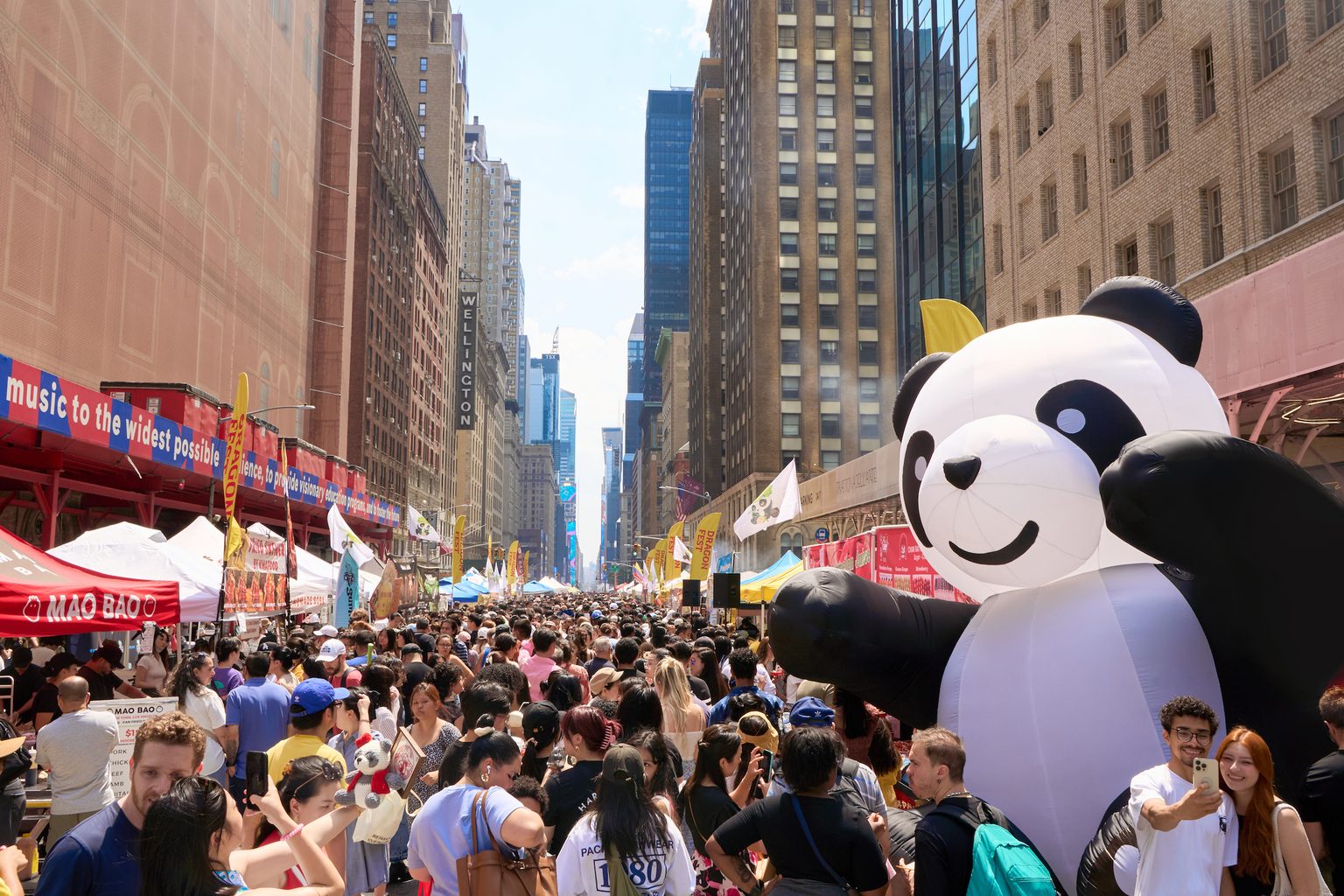
Operating a multi-city food festival with over half a million attendees in its first year presents significant formulation and supply chain challenges. Panda Fest, which launched in 2024 and expanded across multiple markets, demonstrates how ingredient suppliers and food manufacturers can support small businesses scaling traditional cuisines for high-volume production environments.
Production Scaling and Ingredient Sourcing Requirements
Founder BiuBiu recognized a gap in the event landscape: while food festivals were plentiful, few created meaningful opportunities for small businesses to source ingredients and scale production for large crowds. What began as Panda Day—a one-day celebration of Chinese food and entrepreneurship—evolved into Panda Fest, a multi-city platform where participating vendors, many family-owned, immigrant-owned, or first-generation operations, serve thousands of customers over a single weekend. For many vendors, the festival represents their first opportunity to serve audiences at such high volume, creating immediate demands for ingredient availability and production capacity.
According to BiuBiu, supporting participating businesses extends well beyond booth placement to include operational guidance, production planning, and formulation assistance. Ingredient suppliers working with festival vendors must understand how to help small operators source ingredients in volumes significantly larger than their standard operations while maintaining product integrity and authentic flavor profiles. Vendors showcasing traditional dishes such as soup dumplings, soufflé pancakes, tanghulu, and shaved ice face particular challenges in scaling production without compromising quality or requiring extensive reformulation.
Operational and Manufacturing Considerations Across Markets
Executing Panda Fest across multiple cities requires operational planning comparable to large-scale food manufacturing. Every market presents unique logistical considerations, from local ingredient availability and permitting to vendor recruitment and quality standards. Rather than duplicating the same event from city to city, Panda Fest adapts each experience to reflect the surrounding community while maintaining consistent quality standards. This approach creates variable ingredient sourcing needs by region, requiring suppliers to understand local market conditions and offer flexible supply arrangements.
Feedback collected after every festival directly informs vendor mixes and operational improvements for subsequent events. For ingredient suppliers and food manufacturers, this iterative approach means ongoing refinement of product specifications, shelf-life requirements, and packaging solutions tailored to festival environments where products may be held, transported, and served across multiple days and locations.
Supporting Vendor Success Through Better Product Development
Panda Fest's emphasis on vendor selection reflects authenticity and cultural storytelling rather than relying solely on viral food trends. Vendors present recipes reflecting their own backgrounds and experiences, meaning ingredient suppliers must accommodate diverse formulations and traditional preparation methods while helping small businesses meet food safety, volume, and consistency requirements. The festival's support model extends beyond vendor placement to encompass the technical challenges of scaling traditional recipes for commercial production.
Numerous participating vendors have returned after previous festivals to share how the exposure helped expand their businesses and reach new customers. For those vendors, the ability to source consistent, high-quality ingredients at volumes appropriate to their growth trajectory directly impacts long-term success. Ingredient suppliers and food manufacturers who understand these scaling challenges and can offer flexible solutions—from custom blends and smaller volume minimums to technical support on shelf-life and packaging—become valuable partners in this growth cycle.
Long-Term Growth and Supply Chain Partnerships
The organization has announced additional markets across the United States while exploring expanded opportunities for AAPI-owned businesses and culinary entrepreneurs. This national expansion creates growing demand for ingredient suppliers capable of managing complex, multi-market logistics while supporting small-scale operators. The goal is to create a platform that exists beyond a festival weekend while continuing to celebrate culture through hospitality.
As Panda Fest expands, ingredient suppliers and food manufacturers have an opportunity to establish themselves as partners in scaling traditional cuisines. Success requires understanding not only the technical aspects of recipe adaptation and volume production, but also the cultural and operational constraints that small, family-owned businesses face when entering high-volume commercial environments. Those who can bridge that gap—offering both ingredient consistency and the flexibility to support authentic, traditional formulations—position themselves as essential partners in the next generation of food service growth.