American cider production is increasingly defined by ingredient sourcing and fermentation control rather than commodity-driven manufacturing. Snow Capped Cider, operating from the Surface Creek Valley on Colorado's Western Slope, demonstrates how complete vertical integration—from orchard management through bottling—enables precision formulation and consistent product quality.
Controlled Fruit Selection Across 100+ Varieties
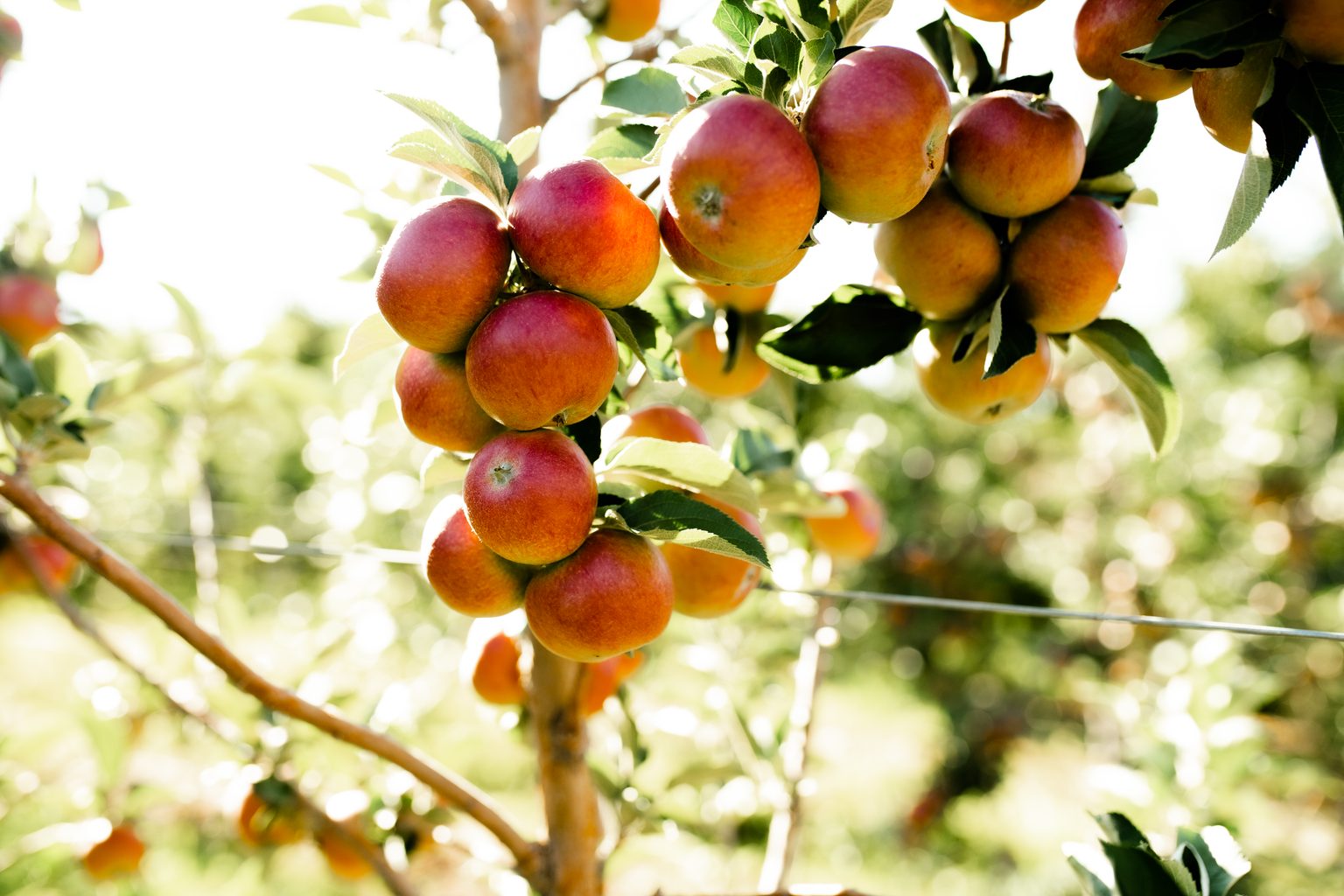
The foundation of Snow Capped's production strategy rests on proprietary access to more than 100 apple varieties and perry pears, all grown and managed within company-owned orchards. Fourth-generation orchardist Ty Williams and head cidermaker Kari Williams oversee cultivars spanning traditional European cider apples, heirloom American varieties, dessert apples, and perry pears. This portfolio approach enables formulators to select specific fruit based on desired fermentation outcomes rather than relying on multi-source ingredient procurement.
By harvesting fruit based on optimal maturity rather than shipping schedules, Snow Capped controls critical parameters affecting fermentation: natural acidity levels, sugar content (Brix), tannin profiles, and phenolic composition. Individual varieties are fermented separately to establish their distinct fermentation characteristics before blending or single-varietal bottling decisions are made. This segregated fermentation methodology allows R&D teams to document varietal performance, optimize yeast selection for each apple type, and develop reproducible formulations across production runs.
Terroir-Driven Growing Conditions Impact Fruit Chemistry
The cidery's location at elevations exceeding 6,000 feet beneath Colorado's Grand Mesa creates specific growing conditions that influence final product chemistry. Warm days, cool nights, mineral-rich soils, and snowmelt irrigation encourage apples to develop bright natural acidity while maintaining the sugar levels necessary for balanced fermentation. These climate factors enable traditional European cider varieties—typically associated with cooler regions—to perform effectively in a North American production environment, expanding available ingredient profiles for formulation.
Production Diversity and Award Recognition
Snow Capped's portfolio encompasses multiple production styles: traditional English-style ciders, single-varietal bottlings, barrel-aged releases, fruit ciders, and perries. This range demonstrates fermentation methodology versatility. The company was named GLINTCAP Mid-Size Cider Maker of the Year for the third consecutive year and established a competition record with 14 Best in Show awards at the Great Lakes International Cider and Perry Competition. At the Cidercraft Awards, Snow Capped received 23 medals spanning Platinum, Double Gold, Gold, Silver, and Judges' Pick categories across varied cider styles, along with recognition from the Good Food Foundation for agricultural quality and responsible production practices.
Formulation Breadth and Ingredient Applications
Snow Capped's production strategy reflects broader industry trends toward ingredient-focused and varietal-specific cider formulations. Traditional bittersweet cider apples such as Dabinett and Yarlington Mill provide the tannin and phenolic structure needed for dry, complex expressions. Heirloom American varieties contribute distinct flavor compounds and fermentation characteristics. Carefully controlled blending techniques allow producers to balance acidity, residual sugar, tannin structure, and aromatic profiles across diverse product applications.
The vertical integration model enables consistent ingredient access and fermentation documentation—critical requirements for R&D teams developing new cider formulations or scaling production. Rather than sourcing fruit from multiple growers, every cider production decision—from orchard management through yeast selection, fermentation temperature, and aging protocols—remains under single-source control, ensuring ingredient consistency and reproducibility essential for commercial product development.