Il Borro's vertically integrated approach to production—spanning vineyards, vegetable gardens, cheese production, and hospitality—offers a masterclass in how complete supply chain control enables consistency, quality, and menu innovation. In conversation with Salvatore Ferragamo Jr. and Chef Andrea Campani, we explore the formulation philosophy, ingredient sourcing strategies, and production techniques that define Il Borro's competitive advantage.
Ingredient Selection and Supply Chain Control
How does owning the full supply chain—from vineyards to vegetable gardens—change ingredient sourcing and menu formulation?
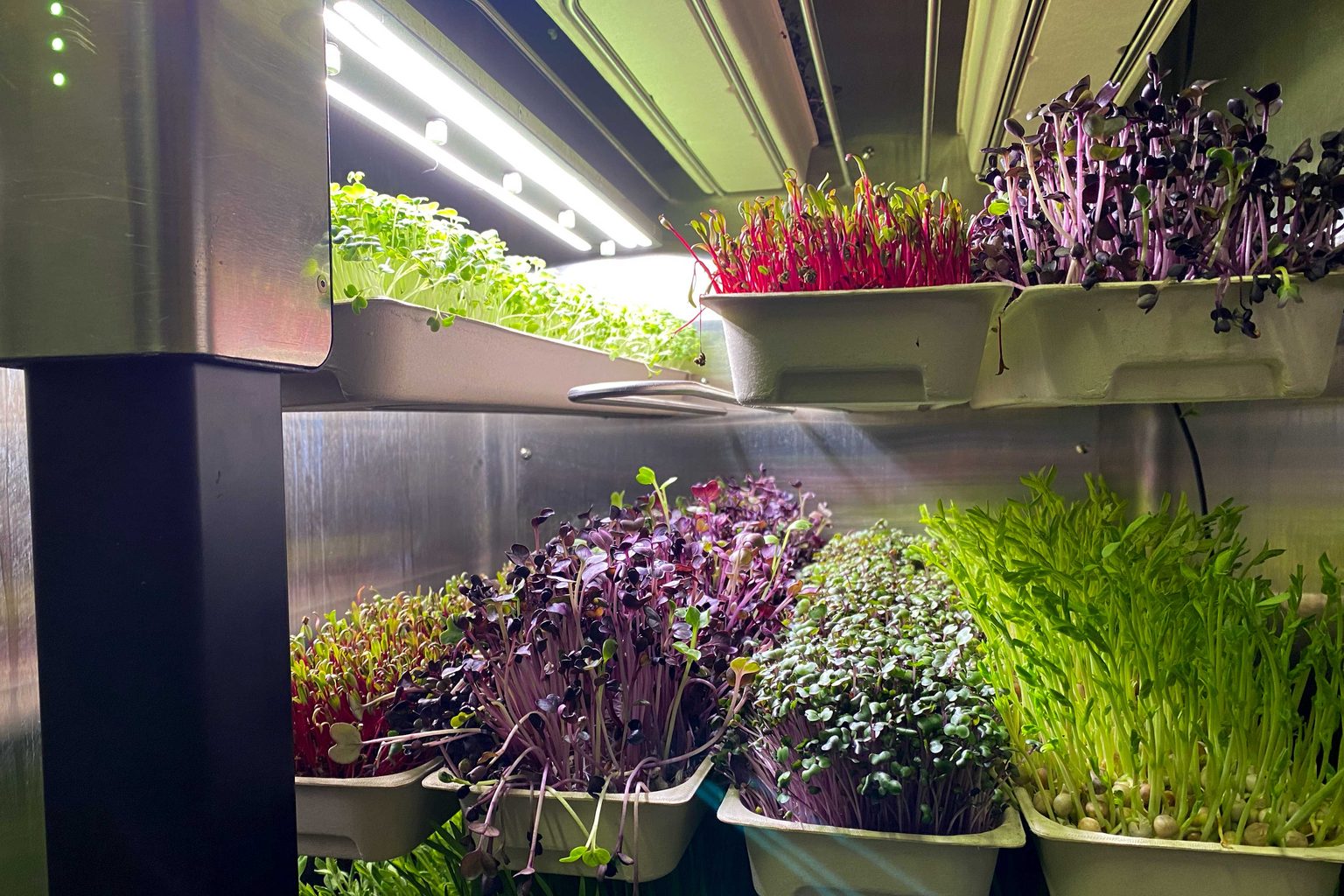
Having full control over the supply chain from the vineyards to the vegetable garden completely changes our approach to cuisine and the way we work. We don't start from what we want to put on the menu but from what nature offers us at that specific moment. This allows us to be more creative, but it also requires a great ability to adapt because sometimes a product can change or become unavailable at the last minute. The technique is essential to transform every available ingredient into a dish capable of creating emotion.
That direct connection to the land is at the heart of our philosophy. It allows us to work closely with what is being produced in real time, from our own estate and trusted local partners. As a result, our Farm-To-Table menu is constantly renewed, only evolving with the seasons and the availability of the freshest ingredients. This approach ensures that each dish reflects the authenticity of Tuscany and highlights the quality of seasonal products at their peak.
Manufacturing and Production Philosophy
How do you balance ingredient quality with production methodology?
At Il Borro, tradition is the framework—how we grow, how we produce, how we host, the ingredients. Innovation comes in as a tool for precision, to refine and enhance what already exists.
For example, in the vineyard, in line with our sustainability approach, we follow old practices like a natural technique called sexual confusion to protect the vines, with small pheromone diffusers that disrupt the mating cycle of insects, reducing the need for intervention. It's a method with roots going back decades used in France, but now has been improved through a more precise application of technology.
The technique is essential to transform every available ingredient into a dish capable of creating emotion. Direct contact with farmers, breeders, and producers allows us to better understand the rhythms of nature, the work in the fields, respect for animals, and the true seasonality of products. All of this enriches our awareness and is reflected in the experience we offer our guests.
Cost Structure and Formulation Trade-Offs
What are the cost implications of premium sourcing and sustainable production?
From a pricing strategy point of view, a short supply chain does not necessarily mean lower costs. Working with small producers, sustainable farms, and non-intensive agriculture often involves higher costs compared to industrial or large-scale systems. This is inevitably reflected in the final price, but guests recognize the value of making an ethical, safe, and healthy choice. Knowing exactly where every ingredient comes from and being able to personally guarantee its origin creates a very strong relationship of trust with the guest.
Sustainability Metrics and Measurable Sourcing
How do you measure and verify the environmental impact of your ingredients and production?
Sustainability, to be credible, must be measurable. And measuring well takes time and method.
What we can say with certainty today is that our renewable energy production grows every year: we have gone from the first eight photovoltaic systems in 2013 to eighteen today. In 2024, we produced 2.4 GWh of renewable energy, avoiding 669 Tonnes of CO₂; in 2025, we pushed this even further, reaching 2.7 GWh.
On the emissions side, in 2024 we conducted our first comprehensive Scope 3 assessment, mapping indirect emissions across our entire value chain, and this year we are refining it further. Then there is a chapter still being written: the carbon absorbed by our forests. Il Borro spans 1,200 hectares, of which around 520 are pristine woodland. These forests breathe, sequester CO₂, and shelter around 50 protected species. We believe that once the full picture is measured, it will tell a very compelling story.
But we will not say it until the numbers support it because sustainability does not tolerate inconsistencies. That is the difference between those who tell the story and those who build it. We belong to the latter.
Wine Production: Amphora and Brunello Formulations
How are you evolving wine production methods and ingredient profiles?
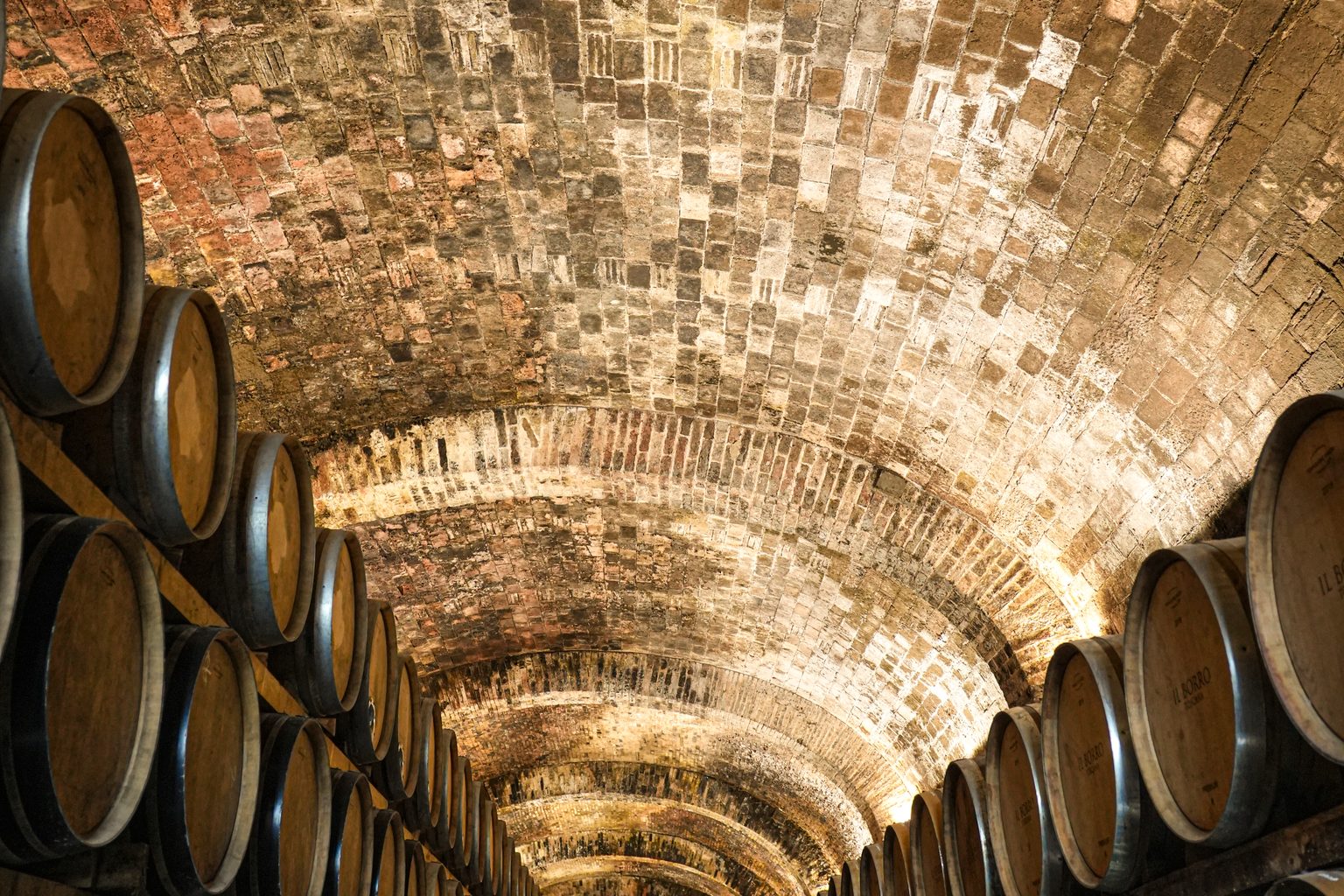
We are building a more complete and coherent identity. Petruna, for example, is about going deeper into expression, using amphora is returning to an older tradition that still has a lot to say today.
The move into Brunello is a long-term investment that strengthens the overall profile of Il Borro, but has its own identity, as a wine globally recognized. But at the same time, Pinino is one of the founding estates of the denomination, dating back to the early years of Brunello di Montalcino DOCG, so once again, there is a strong connection to history.
The logic is always the same: each project has to bring something unique. Not just more wines, but a clearer, stronger identity built over time.
Regenerative Agriculture and Crop Development
How does regenerative agriculture influence ingredient quality and crop innovation?
I see regenerative agriculture as a necessary evolution. For wine, it's quite direct: healthier soils, better balance in the vineyard, and ultimately more precise wines. It's not just an environmental choice; it's also a quality decision.
In hospitality and food production, the impact is broader. It changes how you think about sourcing, about seasonality, about the relationship between the land and the guest experience. It creates a stronger sense of place, which is something people are increasingly looking for.
On a global level, I think it will become less of a differentiator and more of an expectation. The real challenge is to approach it seriously—not as a statement, but as a long-term commitment that must be consistent across everything you do.
Preserving Brand Identity and Ingredient Consistency Across Markets
As Il Borro expands internationally, particularly into the U.S., how do you maintain ingredient and formulation consistency?
For us, it's about preserving the integrity and the authenticity of what Il Borro stands for. As we expand, the priority is not to adapt to trends, but to remain consistent with our identity. That means staying true to our Tuscan roots, to a certain way of doing things, from the ingredients we choose to the atmosphere we create. It's a balance between evolution and coherence, but the foundation doesn't change.
At Il Borro Tuscan Bistro, the evolution of the dining and beverage program has been about refining that identity rather than adapting it. The goal is not to change the message, but to make it legible. When the experience is genuine, from the glass to the plate, it naturally connects with guests from different cultures.