Miznon's expansion to Barclays Center represents a significant case study in scaling chef-driven food concepts across diverse service environments. Founded by acclaimed chef Eyal Shani, the brand has grown to more than 25 locations worldwide by maintaining a consistent philosophy centered on fresh ingredients, in-house preparations, and bold, ingredient-forward formulation. The Barclays Center outpost demonstrates how established restaurant brands are now adapting their core production methods and ingredient sourcing to meet the unique demands of high-volume venue hospitality.
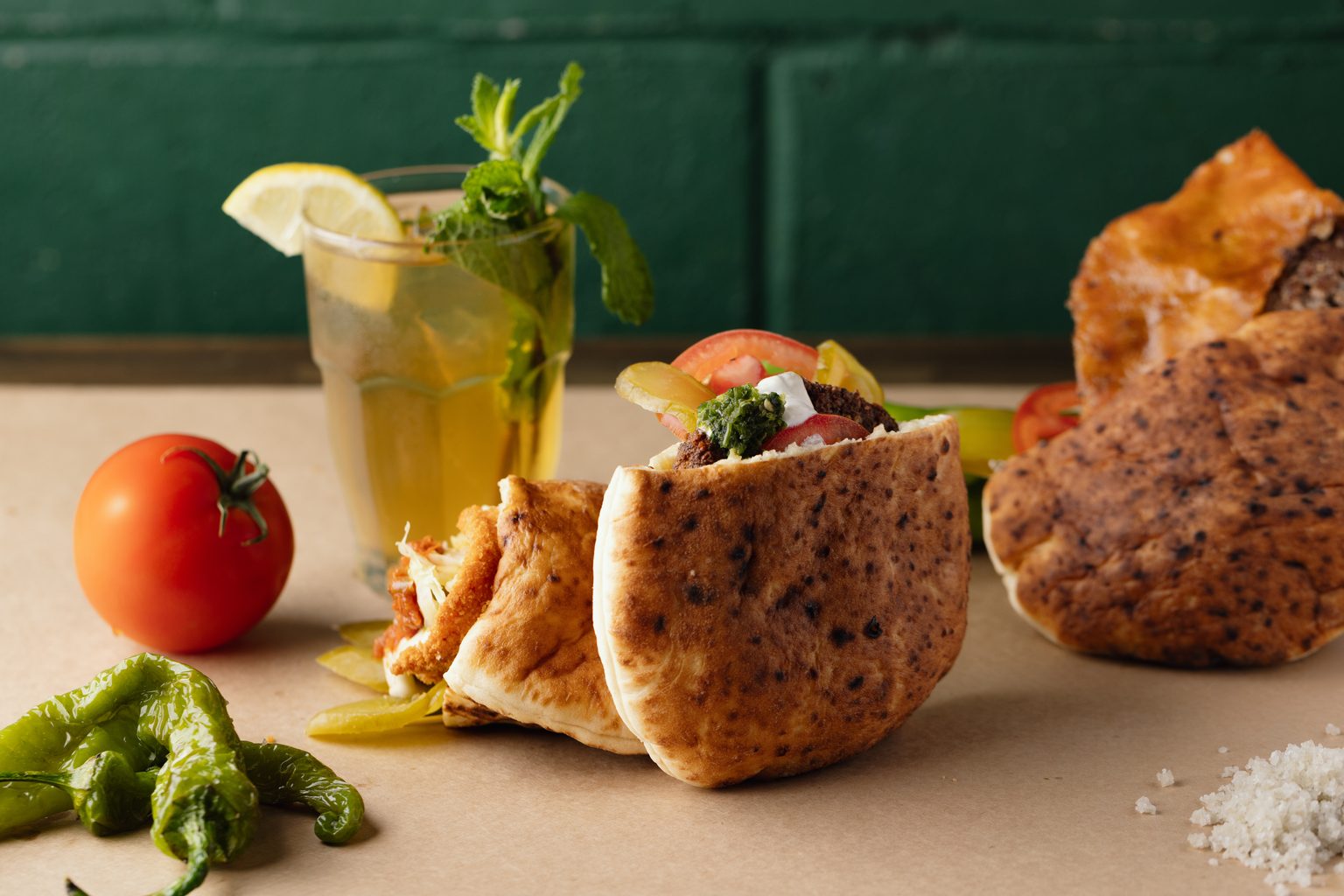
The concept's success relies on a disciplined approach to ingredient quality and preparation technique. Rather than relying on pre-assembled or convenience-based components, Miznon's menu is built around fresh-baked pitas, house-made Mediterranean preparations, and made-in-house sauces and condiments. This production methodology—centered on simple cooking with bold flavors—scales across multiple locations while maintaining consistency and authenticity. Each dish prioritizes raw ingredient integrity, from vibrant vegetables to house-prepared components like tahini-based dressings, matbucha preparations, and Israeli coleslaw formulations.
The Barclays Center menu showcases the brand's ingredient-driven approach across several key formulations. Signature items include the Falafel Burger featuring tomato, pickles, sour cream, and spicy green peppers; the Folded Cheeseburger with cheddar, aioli, sour cream, tomato, and pickles; The Best Hummus Plate featuring chickpeas, tomato seeds, olive oil, and spicy green peppers; and the Chicken Schnitzel Pita with tahini, matbucha, pickles, and Israeli coleslaw. Supporting components include Bag of Green Beans prepared with lemon garlic vinaigrette and a Sage & Mint Iced Tea beverage formulation. This menu structure emphasizes ingredient visibility and preparation transparency—core elements driving consumer perception of quality in fast-casual dining environments.
The brand's positioning within venue hospitality reflects a broader shift in how stadiums and arenas approach food production and sourcing. Rather than solely relying on traditional concession suppliers, venues are increasingly partnering with established restaurant operators who bring established ingredient supply chains, proven production protocols, and consistent culinary standards. Guests now expect recognizable brands backed by transparent ingredient sourcing and fresh-preparation methods, regardless of venue setting. Miznon's approach—maintaining centralized quality control while enabling location-specific customization—provides a model for how chef-driven concepts can scale across diverse service environments while preserving core ingredient standards and preparation integrity.