As luxury hospitality operators increasingly demand vertically integrated supply chains and measurable sustainability outcomes, Il Borro Relais et Châteaux offers a case study in how regenerative agriculture, precision winemaking, and culinary innovation can function as interconnected product systems. The estate's approach to ingredient sourcing, production methodology, and environmental accountability reflects a growing industry expectation: luxury brands must now demonstrate measurable sustainability while maintaining premium quality standards.
Regenerative Agriculture as a Formulation Strategy
The foundation of Il Borro's product portfolio rests on regenerative and organic farming practices spanning approximately 1,200 hectares, including more than 500 hectares of protected woodland. Rather than treating sustainability as a marketing initiative, the estate's leadership, under Salvatore Ferragamo Jr., approaches agricultural methodology with emphasis on measurable accountability and long-term vineyard health.
"Sustainability, to be credible, must be measurable," Ferragamo states. "We will not say it until the numbers support it."
This commitment extends to comprehensive environmental tracking. The estate has expanded its renewable energy infrastructure from eight photovoltaic systems in 2013 to eighteen today. In 2024 alone, Il Borro produced 2.4 GWh of renewable energy while avoiding hundreds of tonnes of CO₂ emissions. Additionally, the company has begun comprehensive Scope 3 emissions assessments to understand the full environmental impact of operations and supply chain—a critical benchmark for ingredient suppliers and hospitality operators evaluating their own production footprint.
Wine Innovation Through Ancient Techniques and Modern Precision
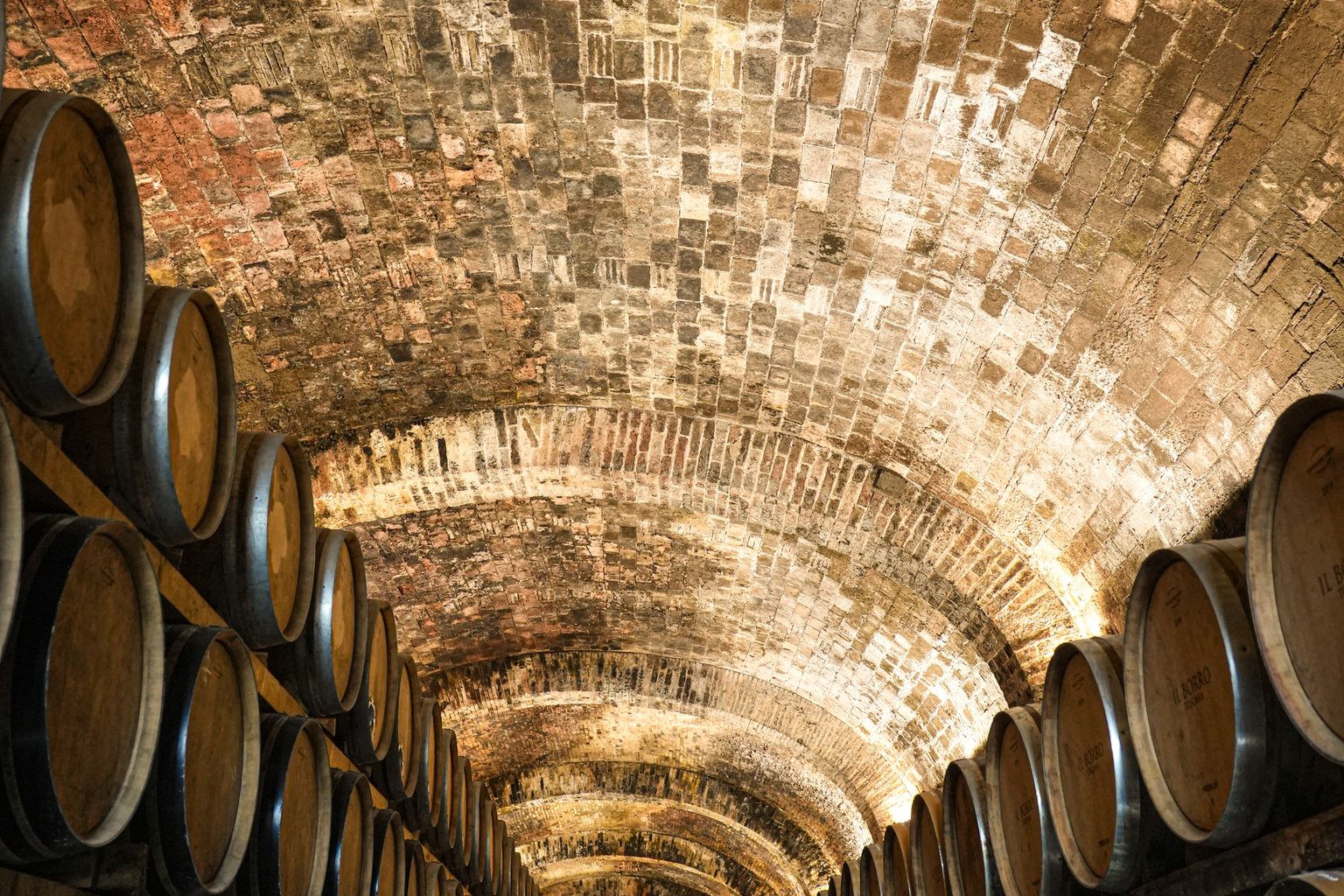
Il Borro's wine portfolio demonstrates how heritage production methods and contemporary formulation practices coexist in premium product development. Petruna, the estate's amphora-aged Sangiovese, reflects growing interest in ancient winemaking techniques paired with modern precision. Amphora aging connects the wine to historic Tuscan traditions while delivering contemporary expression increasingly sought by sommeliers and collectors seeking originality.
The estate's expansion into Brunello di Montalcino through the historic Pinino property signals commitment to one of Italy's most globally respected appellations, reinforcing a product development philosophy centered on deepening identity and strengthening regional authenticity.
"The logic is always the same," Salvatore Ferragamo explains. "Each project has to bring something unique. Not just more wines, but a clearer, stronger identity built over time."
Farm-to-Table as an Integrated Supply Chain Model
Il Borro's culinary operations, led by Chef Andrea Campani, demonstrate how direct relationships with agricultural producers reshape menu development and ingredient formulation. Access to the estate's vineyards, vegetable gardens, olive groves, cheese production, and local agricultural network creates a vertically integrated supply system that informs every culinary decision.
"We don't start from what we want to put on the menu," Campani explains, "but from what nature offers us at that specific moment."
This seasonal flexibility requires culinary teams to innovate continuously around ingredient availability, texture profiles, and flavor combinations—driving product development cycles that reflect agricultural reality rather than predetermined specifications. Transparency in sourcing has also become essential for premium hospitality brands, particularly in satisfying consumer demand for traceability and ethical sourcing alongside culinary quality.
Menu Innovation and Culinary Product Development
At Osteria del Borro, Chef de Cuisine Andrea Godi has introduced two new tasting menus—"Omaggio al Borro" and "Armonie Vegetali"—designed to complement the à la carte offering while maintaining the estate's commitment to seasonality and ingredient-forward preparation. Both menus begin with produce from the Il Borro Relais & Châteaux estate, supported by carefully selected small local producers and suppliers whose work reflects quality, territory, and sustainability standards.
Also debuting is an exclusive Chef's Garden experience, limited to two tables per evening and set within the vegetable garden. This immersive dining concept brings the restaurant's sourcing philosophy into focus: respect for seasonality, commitment to local sourcing, sustainable production practices, and pursuit of ingredient excellence.
A Measurable Model for Integrated Product Development
For R&D teams and ingredient suppliers, Il Borro's integrated approach offers operational benchmarks. The estate demonstrates how regenerative agriculture, renewable energy infrastructure, precision winemaking, and culinary innovation function as interconnected systems rather than isolated disciplines. Under the direction of Salvatore Ferragamo Jr., the property continues expanding internationally, particularly into the U.S. market, while maintaining consistency with its core identity and sustainability standards—a balance that appeals increasingly to discerning hospitality operators and institutional buyers evaluating long-term supply partnerships.
As luxury hospitality continues shifting toward experiential travel and sustainability-driven expectations, Il Borro's model—built on measurable outcomes, traceability, and integrated supply systems—may establish a template for how premium brands align agricultural innovation, production methodology, and sourcing accountability within a single ecosystem.