The THC beverage category continues to expand, driven by consumer demand for new formats that balance enjoyment with intentional consumption. Gigli enters this space with a formulation philosophy centered on precision ingredients and flavor delivery that mirrors premium cocktail construction. The brand's approach offers product developers and R&D teams a case study in how to build a coherent, shelf-ready portfolio within an emerging category.
Core Formulation Strategy
At its foundation, Gigli is built around cocktail-inspired THC beverages that combine real fruit juice with hemp-derived THC. This ingredient selection directly addresses a key market gap: consumers want beverages that feel familiar at first glance and distinctly current in practice. The use of real fruit juice—rather than artificial flavorings or concentrate—positions the product in the premium segment and supports brand positioning that emphasizes balance and refinement.
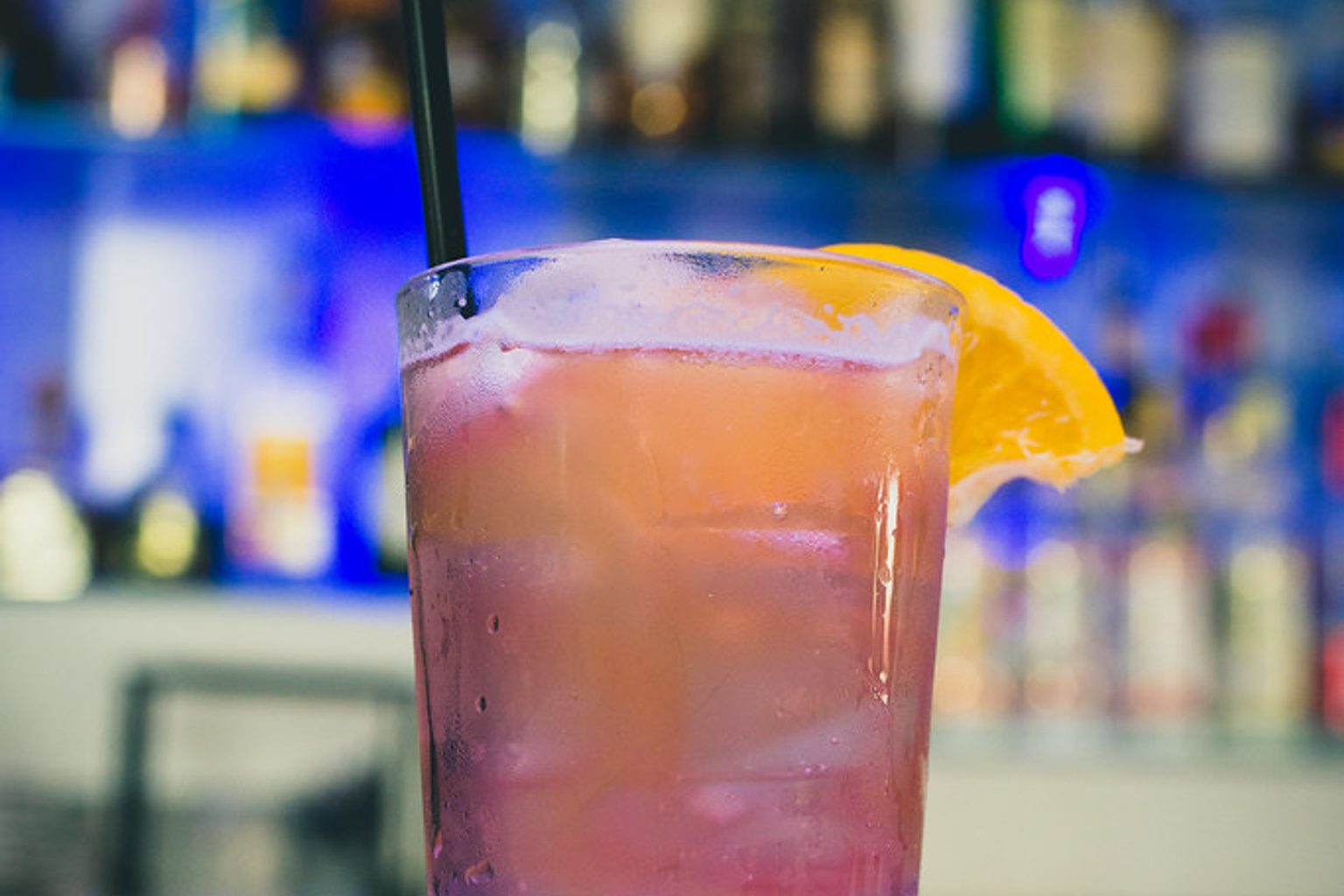
The product lineup demonstrates how ingredient choice can drive both flavor complexity and consumer appeal. The Blood Orange Margarita delivers a bright, layered citrus profile through careful juice selection and formulation. The Pineapple Mojito brings tropical energy with a clean finish, achieved through ingredient balance rather than novelty. The Raspberry Mule offers crisp berry character and maintains familiar cocktail structure while incorporating modern functional ingredients. These formulations are not driven by trend chasing; they are engineered to deliver a legitimate drinking experience.
Ingredient Composition and Market Positioning
For R&D teams developing THC beverages, Gigli's approach highlights the importance of ingredient precision in a category where consumers are increasingly selective. The brand focuses on elements that matter most in premium beverage formulation: flavor delivery, ingredient balance, and consistency of experience. Hemp-derived THC paired with real fruit juice creates a flavor foundation that supports both taste perception and market differentiation.
The extended portfolio—THC seltzers, fruit punches, gummies, and chocolates—represents strategic ingredient and format diversification. This range allows manufacturers to leverage core competencies across different delivery systems, expanding relevance across different consumption occasions and consumer preferences. For ingredient suppliers working with beverage manufacturers, this portfolio approach demonstrates how ingredient applications can extend across multiple product categories within a single brand architecture.
Manufacturing and Format Considerations
Building a portfolio across cocktail-style beverages, seltzers, and solid formats requires distinct manufacturing approaches and ingredient specifications. The cocktail-inspired drinks rely on juice-based systems, while seltzers demand different carbonation and ingredient stability profiles. Gummies and chocolates introduce additional formulation and manufacturing variables. This multi-format strategy requires robust R&D infrastructure and supplier relationships to maintain consistency and quality across all formats.
The brand's focus on clarity and consumer understanding also has manufacturing implications. Products engineered to be easy to recognize and explain often require cleaner ingredient statements, simpler flavor profiles, and more straightforward manufacturing processes—all of which can improve production efficiency and shelf stability.
For product developers and ingredient suppliers, Gigli's success in the THC beverage space reflects a broader market shift toward intentional consumption. The future of this category belongs to brands that understand how to formulate for both flavor excellence and functional performance, using ingredients that are premium in character and transparent in application. Gigli demonstrates how thoughtful ingredient selection and precise formulation can establish market differentiation in a competitive, rapidly evolving category.