Canada's food and beverage sector is experiencing a fundamental shift in how operational data flows through production, inventory, and delivery systems. Restaurants are evolving into hybrid commerce hubs. Independent cafés are building national followings through e-commerce and subscription models. Hospitality groups are balancing rising labor costs, shifting consumer expectations, delivery integration, and digital engagement simultaneously. For product developers, R&D teams, and ingredient suppliers, this transformation creates new demands: manufacturers and suppliers must provide ingredients and formulations that integrate seamlessly into unified commerce ecosystems where inventory tracking, production workflows, and supply chain visibility are interconnected.
At the center of that evolution is Square.
Long recognized as one of the most influential companies in financial technology, Square has steadily expanded far beyond its origins as a mobile payment solution. In Canada, the company has emerged as a critical infrastructure partner for restaurants, cafés, retailers, and hospitality operators seeking streamlined operations, intelligent technology, and scalable growth. For ingredient suppliers and foodservice manufacturers, this matters significantly: as operators adopt unified systems, the ability to feed product data, formulation specifications, allergen information, and supply chain transparency into integrated platforms becomes essential to competitive positioning.
That demand has become especially urgent within Canada's food and beverage sector. Operators are navigating a uniquely dynamic market shaped by regional diversity, evolving labor regulations, rising operating costs, and increasingly digital consumer behavior. Guests expect frictionless ordering, contactless payments, loyalty integration, online ordering, and personalized experiences as standard—not as premium features. For suppliers and product developers, this means formulation strategies must account for real-time inventory management, menu modification tracking, and cross-channel consistency. Legacy ingredient portfolios and supply models simply cannot keep pace with these operational demands.
Square's ability to unify operations within a single ecosystem is redefining how ingredient data, production specifications, and supply chain information flow through foodservice businesses.
Inventory Integration and Formulation Transparency
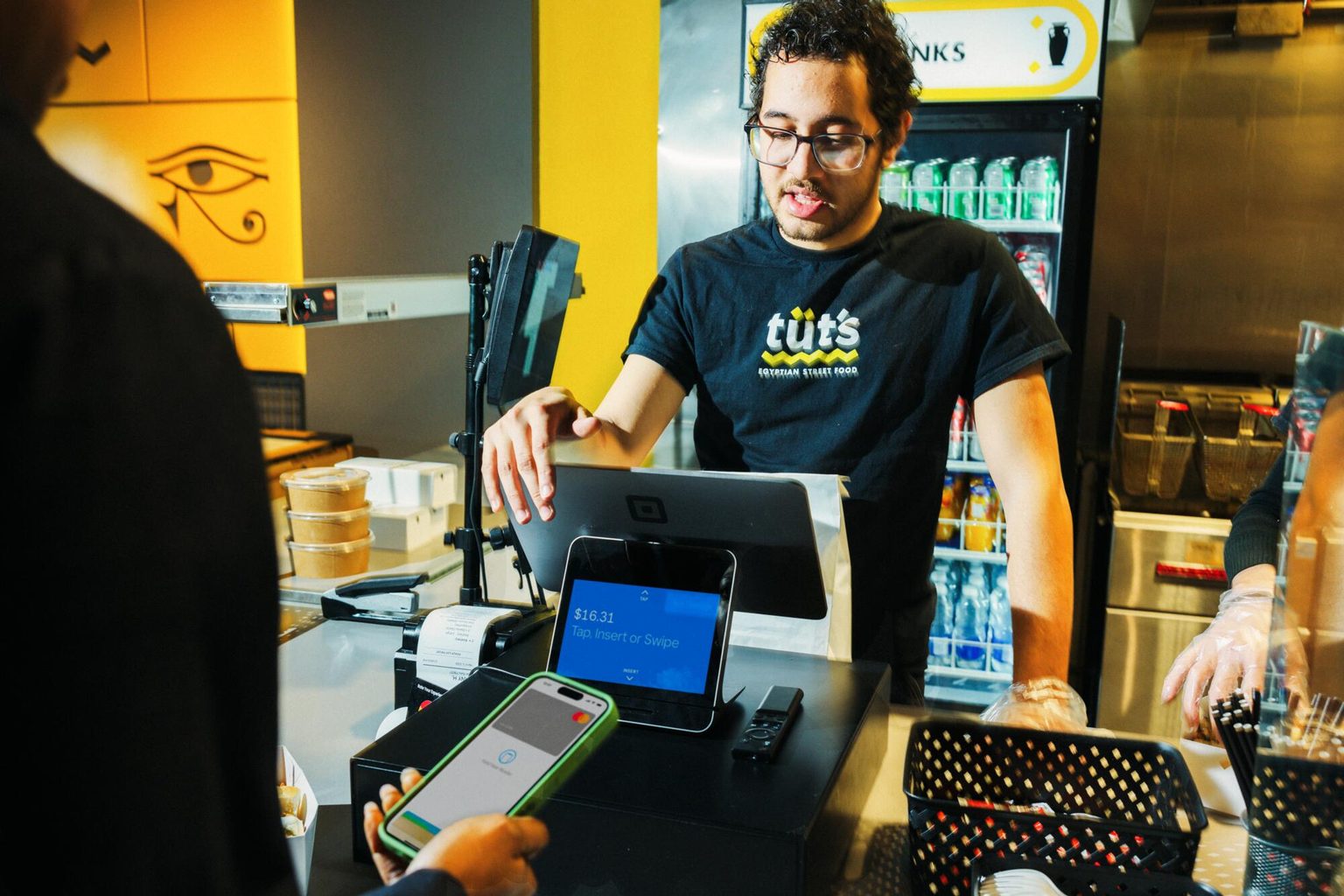
Rather than approaching commerce through disconnected software layers, Square has built an integrated platform where payments, inventory, payroll, reporting, customer engagement, and online commerce work together seamlessly. This operational cohesion is particularly valuable for ingredient suppliers and manufacturers supporting hospitality businesses operating across multiple channels simultaneously. Whether a Toronto café managing dine-in traffic and mobile pickup, or a Vancouver restaurant group balancing in-house dining with third-party delivery and retail products, Square allows operators to oversee their business holistically rather than through disconnected systems.
For suppliers and R&D teams, this integration creates critical advantages. Real-time inventory visibility means formulation changes can be tracked and communicated instantly across production lines. Allergen information, nutritional data, and product specifications integrate directly into menu management systems. Batch tracking and supply chain transparency become embedded in operational workflows rather than siloed in separate supplier communications. This operational cohesion is not merely about convenience. It is about creating the data visibility that allows suppliers to optimize formulations, predict demand patterns, and ensure compliance across complex, multi-location operations.
Democratizing Access to Production and Supply Chain Data
For independent operators across Canada, that accessibility has been transformative. Historically, sophisticated commerce infrastructure was reserved for enterprise-level businesses with significant resources and dedicated IT teams. Square fundamentally changed that equation. By prioritizing intuitive design, transparent pricing, and simplified onboarding, the company democratized access to technology that allows smaller businesses to operate with enterprise-level sophistication.
For ingredient suppliers and product developers, this democratization opens new channels. Independent hospitality concepts—from neighborhood bakeries in Montréal to specialty coffee shops in Calgary and fast-growing restaurant groups in Toronto—increasingly require suppliers capable of providing formulation data, production specifications, and supply chain transparency in digital formats that integrate with their operational platforms. Suppliers that embed their product information, ingredient specifications, and compliance documentation into these unified systems gain significant competitive advantage. Operators can access real-time reporting, staffing insights, menu performance analytics, and inventory tracking without needing advanced technical expertise. The result is technology that feels empowering rather than overwhelming—and creates new opportunities for suppliers to differentiate through superior data integration.
This ease of access to ingredient and formulation data has become particularly important amid ongoing labor challenges facing the Canadian hospitality industry. Staff turnover, training demands, and operational inconsistency continue to pressure businesses nationwide. Suppliers providing pre-formatted formulation data, standardized specifications, and integrated product information reduce onboarding complexity and training requirements. Systems that simplify workflows and reduce complexity are no longer luxuries; they are operational necessities for both operators and their suppliers.
Meeting Consumer Expectations Through Formulation Innovation
At the same time, Canadian consumers themselves are changing. Convenience, personalization, and digital connectivity increasingly shape purchasing decisions. Customers expect businesses to meet them wherever they are, whether online, in-store, curbside, or through mobile ordering. Square's ecosystem allows operators to create consistent brand experiences across all of these touchpoints while maintaining centralized visibility into customer behavior and operational performance.
For R&D teams and ingredient suppliers, this creates formulation requirements that extend beyond traditional product development. Ingredients must support menu consistency across dine-in, delivery, and retail channels. Formulations must accommodate real-time menu modifications tracked through unified systems. Products must provide clear allergen, nutritional, and compliance data accessible through digital interfaces. Importantly, Square's innovation extends beyond transaction processing into predictive business intelligence. As artificial intelligence and automation become more integrated into hospitality operations, the company is helping businesses shift from reactive management toward proactive strategy. Suppliers providing formulation data and ingredient specifications that integrate with these intelligence systems help operators make more informed decisions in real time. In a market where margins are often razor-thin, that level of supply chain insight can fundamentally impact growth and sustainability.
Scaling Brands and Supply Chain Complexity
This forward-thinking approach is part of why Square has become increasingly influential not only among independent operators, but also among scaling hospitality brands throughout Canada. Businesses no longer view technology solely as infrastructure; they view it as a growth partner. Square's ability to evolve alongside changing industry demands has reinforced its position as a company helping shape the future of commerce rather than simply responding to it.
For ingredient suppliers and manufacturers, this creates new imperatives. Brands scaling from single locations to multi-unit operations require suppliers capable of maintaining formulation consistency, managing ingredient specifications across distributed production, and providing supply chain transparency that integrates with unified commerce platforms. Growth historically came with compromise: more locations often meant greater operational complexity, fragmented systems, and inconsistent ingredient sourcing. Suppliers offering integrated product data, standardized formulation specifications, and supply chain visibility help alleviate that tension by allowing businesses to maintain consistency and visibility as they scale.
Equally significant is the industry's understanding of hospitality production requirements. Square's tools increasingly reflect the operational realities of restaurants and foodservice businesses rather than generic retail assumptions. Features designed around kitchen workflows, order pacing, menu modifications, and integrated online ordering demonstrate a deeper recognition of what hospitality operators actually need to succeed in today's market. Suppliers that align their formulation data, ingredient offerings, and supply chain practices with these operational realities establish stronger partnerships and competitive positioning.
That operator-first mentality has helped establish trust in an industry where reliability is paramount. In hospitality, supply chain failures do not create inconvenience; they interrupt service, revenue, and guest experience simultaneously. Ingredients and formulations must perform consistently, reliably, and at the speed required for modern multi-channel operations. Suppliers' emphasis on stability, formulation consistency, and integrated data has become a critical factor in supporting operators' continued growth across Canada's food and beverage sector.
Redefining Supplier Partnerships in Canadian Hospitality
Yet perhaps the most significant contribution is philosophical. Square represents a broader evolution in how hospitality businesses think about technology and supply chain partnerships. The industry is moving away from viewing ingredient suppliers and commerce tools as isolated utilities and toward seeing them as foundational business ecosystems capable of influencing growth, customer relationships, operational efficiency, and long-term resilience.
This shift is redefining what success looks like for suppliers within Canadian hospitality.
Operators today are not simply building restaurants or cafés. They are building brands that exist simultaneously across physical and digital spaces. They require infrastructure and supply partners capable of supporting omnichannel experiences, evolving customer expectations, and increasingly data-driven decision-making. Suppliers providing formulation data, ingredient specifications, and supply chain transparency that align directly with these unified ecosystems will drive competitive advantage.
As Canada's hospitality industry continues to evolve, the suppliers and ingredient manufacturers positioned to lead will be those capable of balancing formulation sophistication with operational integration. They will need technology partnerships and data strategies that support modern commerce while maintaining product integrity and supply chain reliability.
Square has established the infrastructure framework. For suppliers and R&D teams, the opportunity lies in providing formulation data, ingredient specifications, and supply chain transparency that integrate seamlessly into these unified systems.
By embedding product information into integrated platforms, providing standardized formulation data, and maintaining supply chain visibility, suppliers are helping define the next generation of hospitality commerce in Canada. Their role extends far beyond ingredient provision. Suppliers are building the operational frameworks through which modern hospitality businesses grow, adapt, and compete.
In doing so, the food and beverage industry's supply ecosystem is not merely participating in the future of Canadian commerce. It is helping build it.