The Retail Push
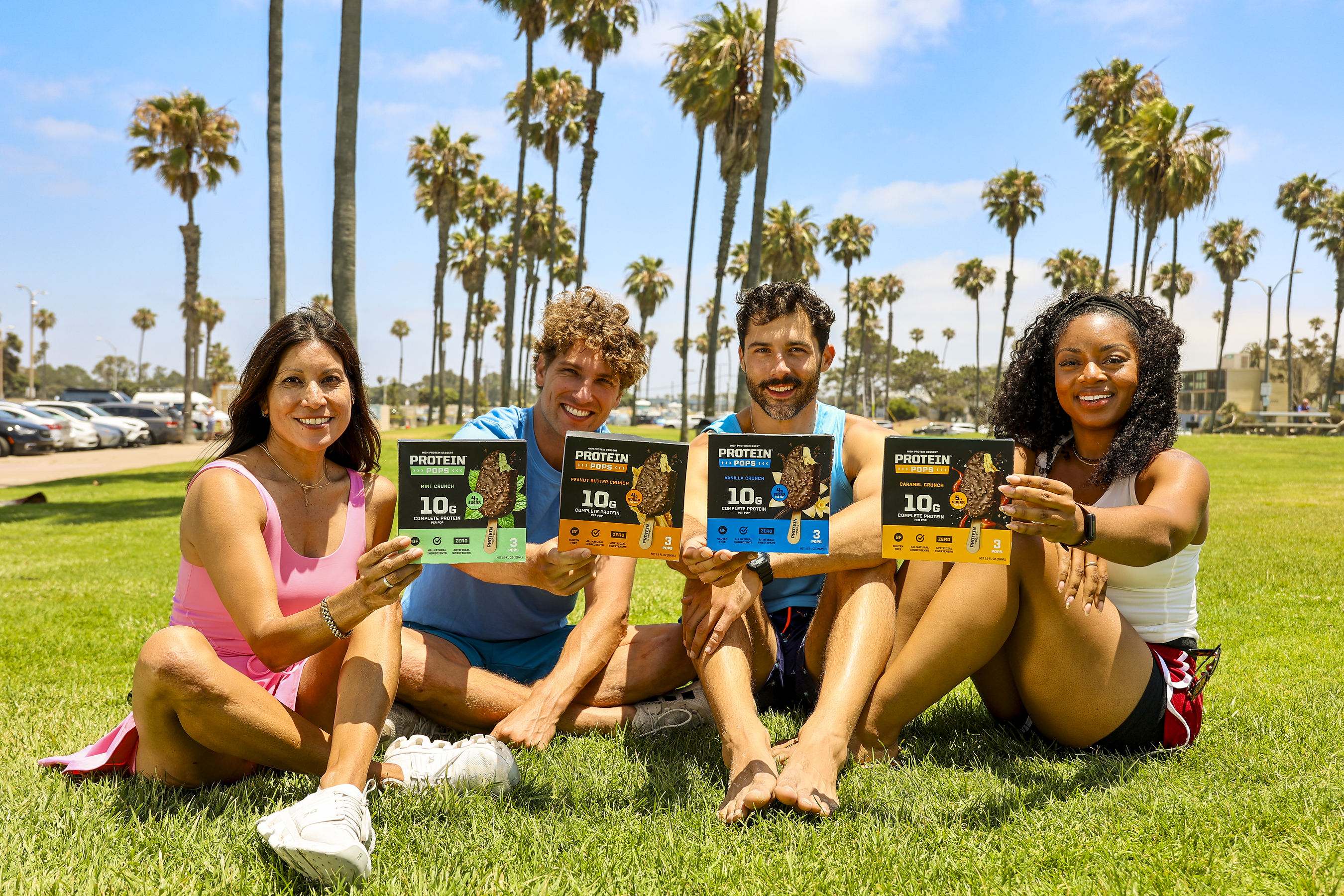
Protein Pints is bringing its Protein Pops ice cream bars into Target and all Kroger Family of Stores divisions this month, pushing retail distribution past 4,000 locations nationwide by mid-September 2026. The rollout follows a June debut in which the brand's initial direct-to-consumer online inventory sold through in under eight hours — more than 10 times the projected volume — with subsequent velocity building through Sprouts Farmers Market over the summer.
For ingredient suppliers and co-manufacturers operating in the functional frozen dessert segment, the distribution jump signals rising retail appetite for protein-forward novelty formats as an alternative to traditional pint SKUs. The individually portioned bar category is absorbing innovation that was previously confined to the pint freezer set, creating downstream demand for cold-chain-compatible protein ingredients and natural coating systems.
Formulation Profile
Each Protein Pop delivers 10 grams of complete protein and 180–190 calories per bar, with the brand claiming at least 75% less sugar than conventional ice cream and no artificial sweeteners. The four SKUs — Caramel Crunch, Vanilla Crunch, Peanut Butter Crunch, and Mint Crunch — feature a creamy high-protein ice cream core enrobed in a milk chocolate coating studded with quinoa crisps for texture. The product carries a gluten-free claim and is formulated with natural ingredients containing all nine essential amino acids, pointing to a complete-protein dairy or dairy-blend base rather than a partial plant-protein system.
The quinoa inclusion is a notable formulation choice for the enrobing layer: quinoa puffs or crisps contribute crunch, a clean-label positioning, and a minor protein contribution without triggering major allergen declarations beyond any dairy or peanut butter components already present in the base. Suppliers of functional grain inclusions and confectionery coatings should note the format as a growth reference point for textured enrobing applications in the frozen novelty space.
Market Context
The functional frozen novelty segment has attracted sustained retailer interest as consumers seek high-protein snack options outside of bar and shake formats. Protein Pints' pint SKUs are positioned at 30 grams of protein per pint, while the Pops extension targets single-serve, grab-and-go occasions — post-workout, afternoon snack, and evening treat — broadening the brand's usage occasion profile without cannibalizing the core pint lineup.
"Bringing Protein Pops to Target and all Kroger Divisions means significantly more people can now find them during their everyday grocery run," said Paul Reiss, co-founder and CEO of Protein Pints, framing the expansion as an access play rather than a positioning shift. The move into two of the largest U.S. grocery and mass-market retail networks simultaneously represents a meaningful scale test for the brand's supply chain and cold-chain fulfillment infrastructure.
For ingredient and packaging suppliers tracking the better-for-you frozen dessert segment, the Protein Pops retail debut illustrates how functional claims — protein density, reduced sugar, no artificial sweeteners, gluten-free — are increasingly bundled at the SKU level rather than positioned as single-attribute differentiators. Brands capable of substantiating multiple clean-label claims simultaneously, backed by COAs and specification sheets that satisfy retailer compliance requirements, are the ones gaining shelf placement at scale.
Written by Michael Politz, Author of Guide to Restaurant Success: The Proven Process for Starting Any Restaurant Business From Scratch to Success (ISBN: 978-1-119-66896-1), Founder of Food & Beverage Magazine, the leading online magazine and resource in the industry. Designer of the Bluetooth logo and recognized in Entrepreneur Magazine's "Top 40 Under 40" for founding American Wholesale Floral, Politz is also the Co-founder of the Proof Awards and the CPG Awards and a partner in numerous consumer brands across the food and beverage sector.