Natural Solution to Bakery's Elasticity Problem Excessively elastic wheat dough remains a persistent operational headache in bakeries: it resists shaping, drives up waste, and destabilizes production lines. GoodMills Innovation has introduced GOOD NatureRelax, a clean-label baking ingredient derived from 100 percent stabilized, finely ground wheat germ designed to counteract excessive dough elasticity without synthetic additives. The product works through two naturally occurring wheat germ components that act synergistically. Glutathione, a tripeptide with antioxidant properties, breaks down disulfide bonds in the gluten network. Protease, an enzyme, breaks down protein chains to soften the dough without being consumed in the process. "Both active ingredients complement each other in their mode of action and, together, support gentle dough softening," GoodMills Innovation states.
Production Line Impact Bakeries using GOOD NatureRelax report immediate operational improvements.
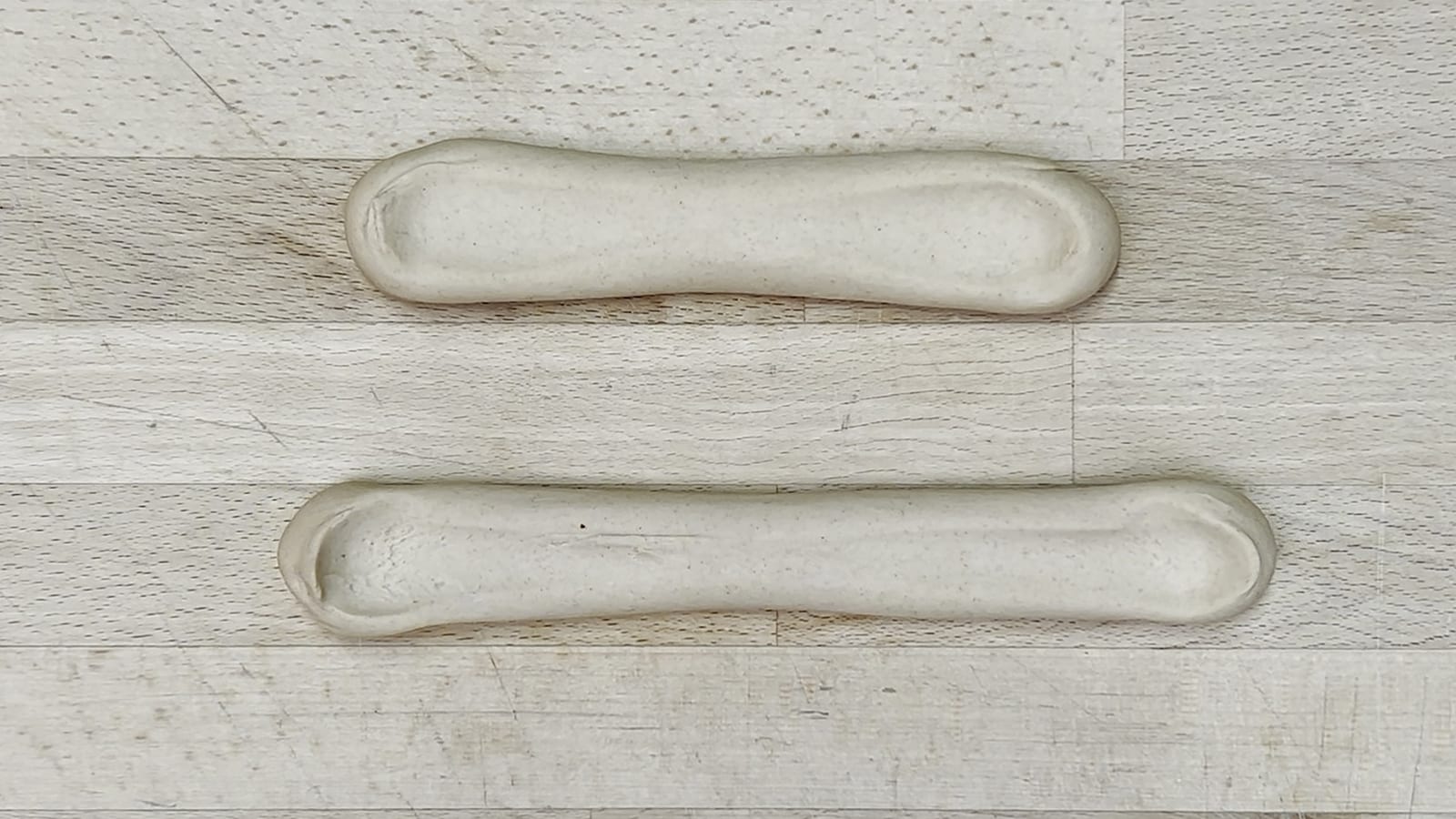
Dough shapes more quickly and cleanly without tearing, precise weight portioning becomes achievable, and dough pieces retain their shape through production. "The machines grip the dough more cleanly, the dough pieces no longer become misshapen or torn, and the process runs more smoothly," according to the company. Kneading time can be reduced by up to 15 percent, reducing waste and handling time.
Dosage and Application GOOD NatureRelax is dosed at 0.1 to 1 percent on top of milled grain products depending on the application. Recommended dosages include 0.3 percent for pretzels, 0.4 percent for laminated doughs such as croissants, and 0.5 percent for rolled wheat pastries. The ingredient is suitable for baguettes, pizzas, and tray bakes, though optimal dosage varies by recipe and process parameters. GoodMills Innovation recommends reducing kneading time by up to 15 percent when using the ingredient and advises against combining it with inactive yeast or cysteine to avoid excessive dough softening. GoodMills Group monitors quality and regional variation of wheat germ across its 24 mill sites, enabling the most suitable native germ to be selected, stabilized, and micronized for consistent results.
Why It Matters
For bakeries managing production efficiency and waste reduction, a natural dough relaxant that doesn't require synthetic additives offers both operational and clean-label advantages. The ability to reduce kneading time while maintaining dough consistency addresses a documented pain point across mechanical and industrial bakery operations.
For more insights and trends in the food and beverage sector, check out more articles in The Food & Beverage Magazine family of publications.
Written by FBM Publications Editors