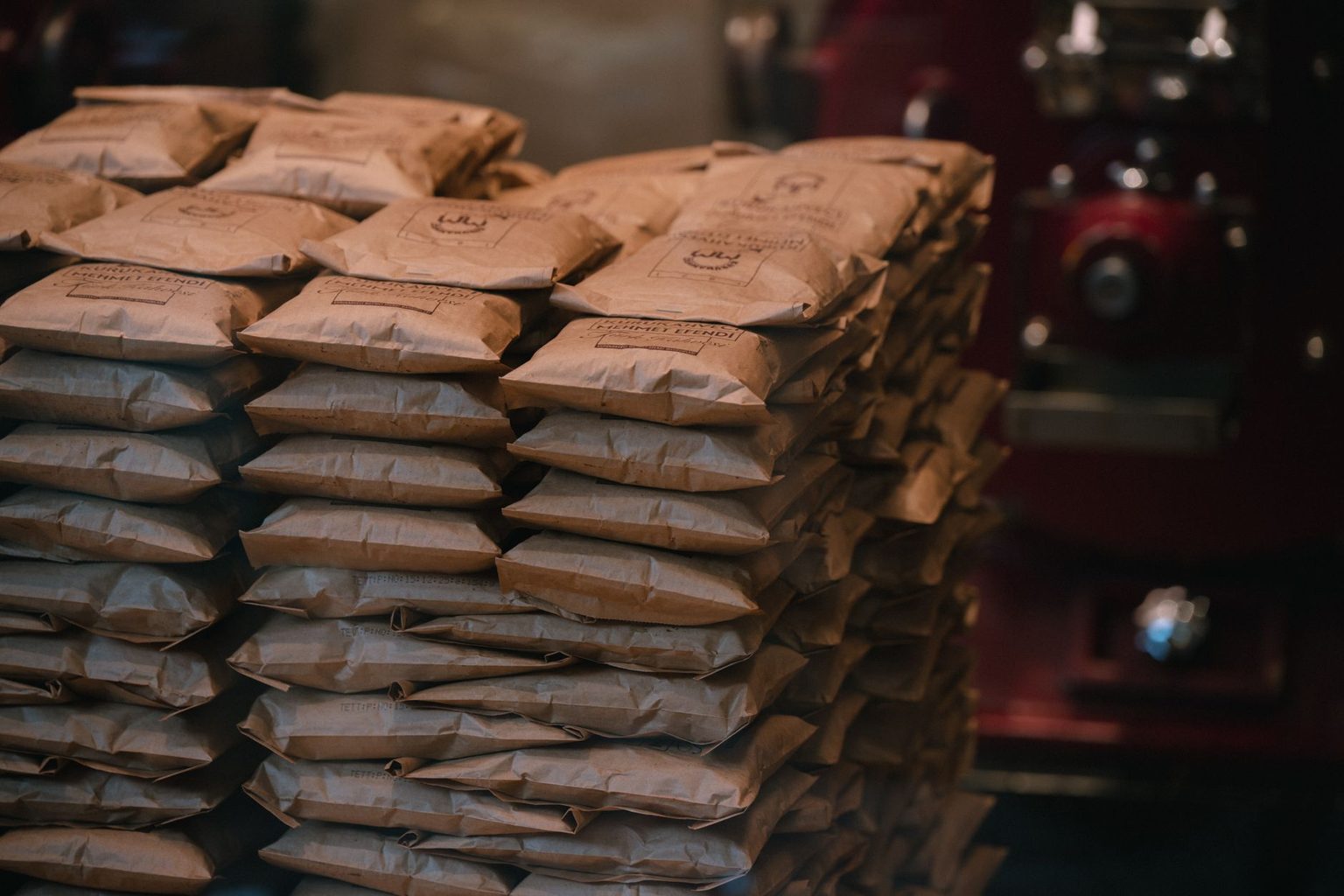
A new barrel-aged soy sauce brand is entering the specialty ingredient market with a formulation built around supply-chain transparency and a foodservice-friendly format. DOJO launched its flagship soy sauce this week at dojo.world and independent retailers nationwide, positioning the product squarely at culinary professionals and clean-label grocery buyers seeking an authentic Japanese umami base.
The sauce is brewed by a women-led Japanese brewery using four ingredients — including mountain spring water — with no preservatives, no additives, and USDA organic certification. Barrel aging distinguishes the product from commodity soy sauces, contributing depth of flavor and complexity that single-fermentation shoyu typically does not achieve. For formulation teams working on marinades, glazes, dipping sauces, or umami-forward seasoning blends, the clean COA and minimal ingredient declaration reduce regulatory friction on finished-product labels.
Clean Label Credentials
The USDA organic designation signals that the soybeans and wheat used in fermentation meet federal organic standards throughout the supply chain — a meaningful differentiator for co-manufacturers and contract manufacturers supplying natural and organic retail channels. The absence of preservatives and additives keeps the ingredient statement to four lines, directly supporting natural claim and clean-label positioning on downstream SKUs. Buyers evaluating the product for Kosher or Halal qualification would need to confirm current certification status with DOJO directly, as the press release does not specify those marks.
Packaging and Channel Strategy
The chef-style squeeze bottle is a deliberate commercial signal: it targets professional kitchens and independent specialty retailers rather than conventional grocery end-caps. Squeeze-format packaging reduces cross-contamination risk in high-volume prep environments and supports portion control, both concerns frequently raised in foodservice procurement. The direct-to-consumer launch at dojo.world runs parallel to the independent retail rollout, giving the brand dual visibility with culinary professionals sourcing specialty condiments and ingredient buyers scouting emerging suppliers.
The broader soy sauce category has seen sustained interest from buyers seeking premiumization and provenance transparency, trends well documented across fermented ingredients and condiment supply chains and reflected in menu data tracked by foodservice ingredient analysts. Barrel-aged and traditionally fermented soy sauces command meaningful price premiums over commodity shoyu, and the organic certification adds a further tier of value for retailers merchandising in natural and specialty sets. For ingredient buyers, DOJO's launch merits a specification sheet request to evaluate moisture content, salt concentration, and bulk density against existing supplier benchmarks before qualifying it for large-format or co-manufacturing applications.
Written by Michael Politz, Author of Guide to Restaurant Success: The Proven Process for Starting Any Restaurant Business From Scratch to Success (ISBN: 978-1-119-66896-1), Founder of Food & Beverage Magazine, the leading online magazine and resource in the industry. Designer of the Bluetooth logo and recognized in Entrepreneur Magazine's "Top 40 Under 40" for founding American Wholesale Floral, Politz is also the Co-founder of the Proof Awards and the CPG Awards and a partner in numerous consumer brands across the food and beverage sector.