The Reformulation Play
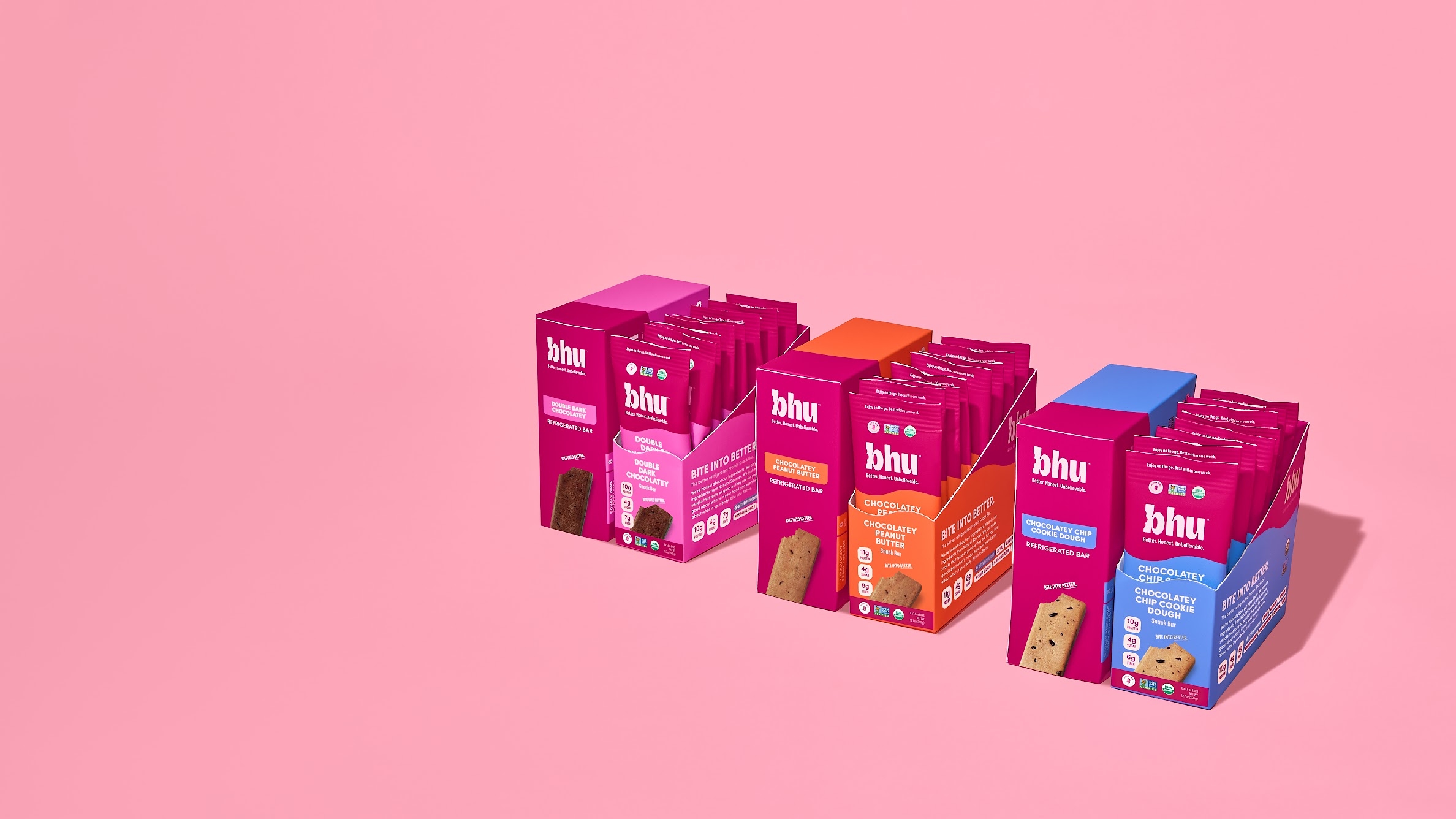
BHU Foods has relaunched its snack bar portfolio with a formulation pivot that swaps dairy and whey protein for plant-based pea protein across every SKU — a move that repositions the brand from its keto-bar origins toward a broader protein-and-fiber-forward better-for-you platform. The updated lineup, available now direct-to-consumer and on Amazon, carries a full suite of clean-label credentials: USDA Organic certified, Non-GMO Verified, gluten-free, soy-free, seed-oil-free, and formulated without sugar alcohols.
Founded in 2015, the Bethlehem, Pa.-based company built its early reputation on keto-friendly snack bars. The 2026 relaunch reflects a deliberate repositioning to capture a wider wellness consumer — one less focused on macronutrient ratio extremes and more interested in recognizable, minimally processed ingredients. Pea protein anchors the new formula as both the primary protein source and the vegan claim driver, making all refrigerated bars free of animal-derived ingredients.
Retail Footprint & Channel Strategy
On the retail side, BHU Foods is deepening its natural and specialty grocery presence rather than chasing conventional mass channels. The brand holds existing placements at Sprouts Farmers Market and Erewhon on the West Coast and is now extending eastward into Mom's Organic Market — a regional chain with a strongly ingredient-conscious shopper base that closely aligns with the brand's organic-certified, allergen-conscious positioning. The decision to prioritize refrigerated natural retail over ambient club or convenience formats signals that BHU Foods is betting on the premium fresh-snack set, where pea protein bars with a clean COA and verified organic sourcing can command higher price-per-ounce.
Amanda Iampietro, Chief Commercial Officer at BHU Foods, framed the relaunch as a strategic evolution rather than a cosmetic rebrand. "We're simplifying better-for-you snacking with organic, plant-based nutrition and ingredients consumers can both enjoy and feel good about," she said.
Ingredient & Supply Credential Stack
For food manufacturers and co-manufacturers tracking the competitive plant-protein snack landscape, BHU Foods' full-organic, pea-protein formulation illustrates the tightening specification demands retailers like Erewhon impose on suppliers. The seed-oil-free and sugar-alcohol-free claims are increasingly table stakes in premium natural retail, requiring formulators to source alternative fat systems and high-intensity or fruit-based sweeteners that can hold up in refrigerated shelf-life conditions. BHU Foods has not disclosed specific protein inclusion levels or moisture content targets in its published TDS, but the refrigerated format implies water activity management is central to the bar's stability spec.
The brand's product range spans full-size refrigerated bars, mini snack bars, and Superfood Bites — all carrying the same USDA Organic and Non-GMO Verified marks, which require annual third-party audit and chain-of-custody documentation from ingredient suppliers through to finished goods.
Written by Michael Politz, Author of Guide to Restaurant Success: The Proven Process for Starting Any Restaurant Business From Scratch to Success (ISBN: 978-1-119-66896-1), Founder of Food & Beverage Magazine, the leading online magazine and resource in the industry. Designer of the Bluetooth logo and recognized in Entrepreneur Magazine's "Top 40 Under 40" for founding American Wholesale Floral, Politz is also the Co-founder of the Proof Awards and the CPG Awards and a partner in numerous consumer brands across the food and beverage sector.