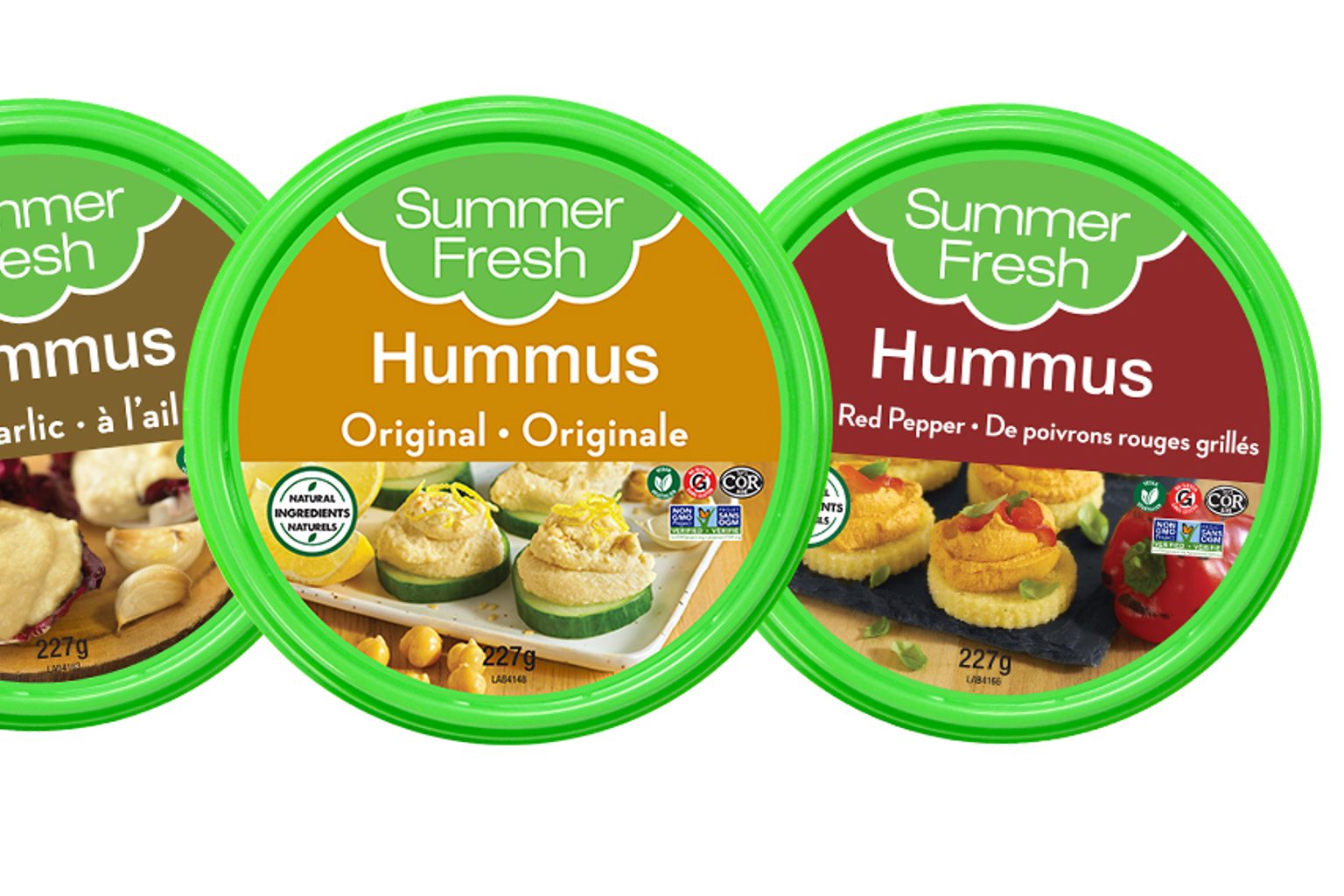
Summer Fresh has released a curated Summer Entertaining Recipe Booklet featuring 11 new serve-ready applications built around its existing dip, hummus, and spread portfolio — a move that signals the brand's intent to drive incremental velocity at retail during peak Q2–Q3 consumption windows. While positioned as a consumer-facing recipe guide, the launch carries meaningful upstream implications for ingredient suppliers and co-manufacturers aligned with the brand's production footprint.
The 11 recipes span a range of entertaining formats — BBQ accompaniments, portable picnic builds, and shareable cottage-ready platters — each anchored by one or more SKUs from the Summer Fresh lineup. For formulators and category buyers, the release underscores the brand's reliance on clean-label, refrigerated dip and spread bases, including chickpea-forward hummus, white bean dip, and tzatziki-style cultured dairy formats. Usage levels and carrier ingredients across these formats typically demand consistent particle size and moisture content specifications from bulk ingredient suppliers to maintain texture stability and shelf life in refrigerated retail environments.
From a supply chain standpoint, Summer Fresh operates within the Canadian refrigerated foods manufacturing corridor, where ingredient sourcing for tahini, cultured dairy components, and legume-based proteins intersects with both organic-certified and non-GMO supply streams. Suppliers holding valid COA documentation and GRAS status for emulsifiers, stabilizers, or acidulants used in refrigerated dip stabilization will find this category active. Cold-chain-compatible packaging and minimum order quantity alignment remain key qualification thresholds for any ingredient partner seeking placement in this segment.
The broader refrigerated dips and spreads category has maintained consistent growth across North American retail, driven by consumer demand for clean-label, high-protein snacking formats. Summer Fresh's recipe booklet strategy mirrors a wider trade tactic deployed by branded dip manufacturers to expand usage occasions without launching net-new SKUs — effectively stretching existing specification sheets and TDS-validated formulations across new meal moments. For ingredient suppliers, that means existing approved supply relationships carry disproportionate commercial value during seasonal demand surges.
Category buyers and contract manufacturing partners tracking this segment should note that summer 2026 promotional windows are already active, meaning ingredient procurement cycles for supporting SKUs are likely in execution. Suppliers with refrigerated-format expertise, established allergen statements covering sesame and dairy, and Kosher or Halal certification will be best positioned to support brands operating in this competitive better-for-you dip space. Coverage of adjacent plant-protein and cultured dairy ingredient trends is available at /plant-based and /dairy-ingredients.
Written by Michael Politz, Author of Guide to Restaurant Success: The Proven Process for Starting Any Restaurant Business From Scratch to Success (ISBN: 978-1-119-66896-1), Founder of Food & Beverage Magazine, the leading online magazine and resource in the industry. Designer of the Bluetooth logo and recognized in Entrepreneur Magazine's "Top 40 Under 40" for founding American Wholesale Floral, Politz is also the Co-founder of the Proof Awards and the CPG Awards and a partner in numerous consumer brands across the food and beverage sector.