Ferrero North America is relaunching Power Crunch with a refined bar formula, updated packaging, and a repositioning campaign aimed squarely at the better-for-you protein snack segment. The move marks the brand's first significant product evolution since Ferrero Group completed its acquisition of Power Crunch in 2025, and signals how the Italian confectionery giant intends to leverage its manufacturing scale and distribution reach to compete more aggressively in the functional snack category.
Formulation Positioning
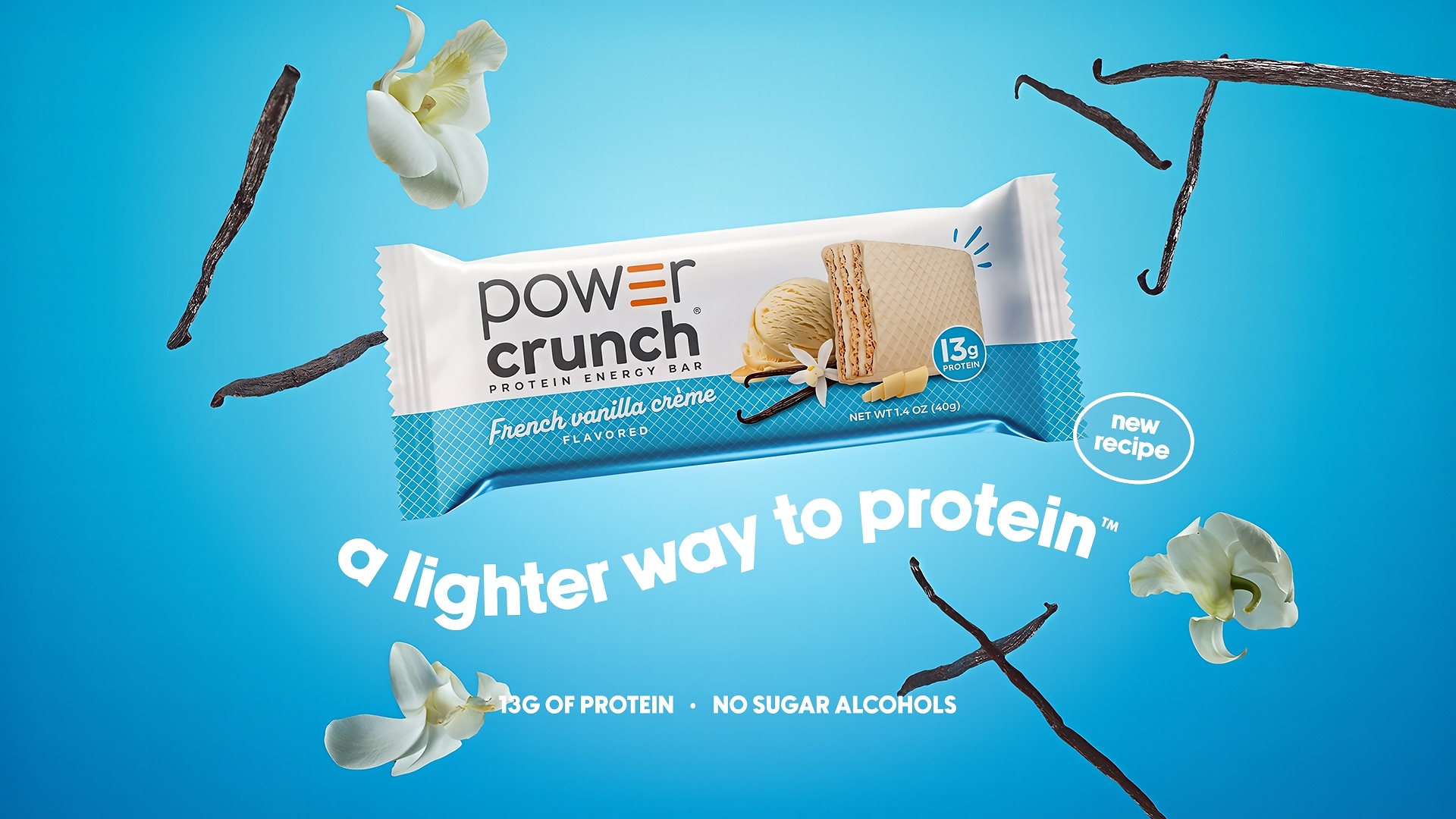
The reformulated Power Crunch bars retain their defining structural element — a multi-layer crispy wafer shell with a creamy filling — while the brand sharpens its market positioning around texture differentiation. Each bar delivers 12–14 grams of protein and contains no sugar alcohols, a formulation choice that resonates with consumers and buyers increasingly scrutinizing ingredient panels for digestive-comfort claims. Available SKUs span five flavor profiles: Peanut Butter Fudge, Chocolate Mint, Strawberry Crème, French Vanilla Crème, and Triple Chocolate.
For food technologists and contract formulators tracking the protein bar space, the wafer-and-filling architecture is notable. It relies on a significantly different binder and moisture-management approach than the extruded or enrobed formats that dominate the category. Maintaining crisp wafer integrity at commercial scale — particularly across varying humidity conditions in retail distribution — demands tight control of moisture content, water activity, and packaging barrier specifications. Ferrero's existing confectionery manufacturing infrastructure, honed across its broader portfolio, provides meaningful technical leverage here.
Market & Supply Context
Ferrero's North American operation spans 15 plants and warehouses and more than 5,400 employees, giving Power Crunch access to supply chain depth that the brand could not match as an independent. That infrastructure matters in a protein bar segment where ingredient sourcing — whey protein concentrate, whey protein isolate, and specialty wafer flours — has faced periodic tightening tied to dairy commodity cycles and shifting plant-protein demand.
The broader protein snack category continues to attract both legacy CPG players and emerging challenger brands, with clean-label claims, reduced sugar, and format novelty serving as the primary levers for shelf differentiation. Power Crunch's no-sugar-alcohol positioning aligns with a well-documented formulator trend away from maltitol and sorbitol in favor of natural sweetener systems, a shift that also benefits margin positioning by simplifying the ingredient declaration. Buyers sourcing for functional snack and nutrition bar applications will find the brand's updated TDS and COA documentation through the Power Crunch commercial team.
Daniel Cutchin, General Manager of Power Crunch at Ferrero USA, framed the relaunch as a deliberate extension of the brand's existing equity rather than a wholesale reformulation. "Power Crunch has always stood out with its uniquely light wafer format," Cutchin said, "and this next evolution builds on what consumers love most about the product: a protein snack that feels light, flavorful and easy to reach for any time of day."
The refreshed lineup is rolling out at retail nationwide and through e-commerce channels effective immediately.
Written by Michael Politz, Author of Guide to Restaurant Success: The Proven Process for Starting Any Restaurant Business From Scratch to Success (ISBN: 978-1-119-66896-1), Founder of Food & Beverage Magazine, the leading online magazine and resource in the industry. Designer of the Bluetooth logo and recognized in Entrepreneur Magazine's "Top 40 Under 40" for founding American Wholesale Floral, Politz is also the Co-founder of the Proof Awards and the CPG Awards and a partner in numerous consumer brands across the food and beverage sector.