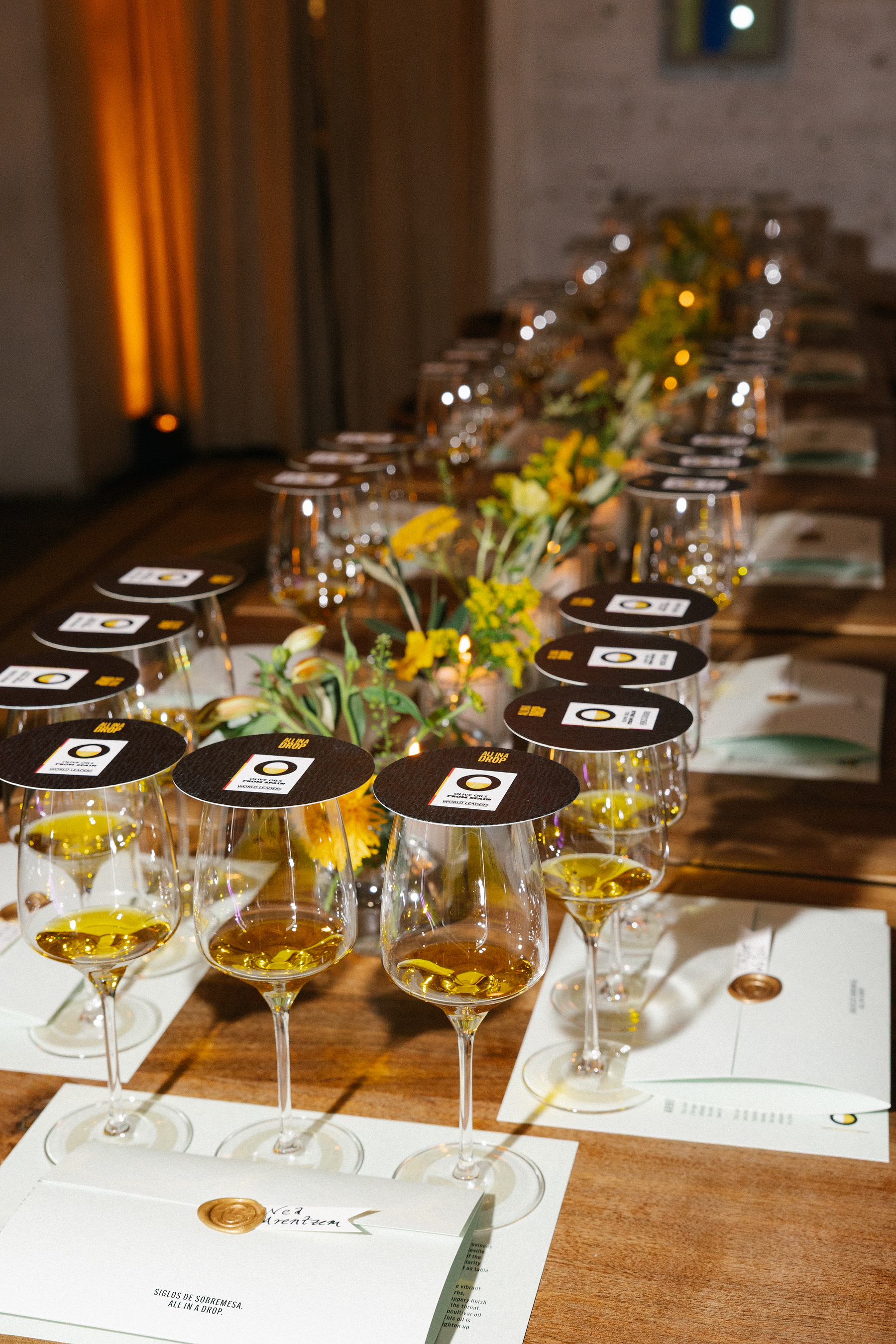
Spain's promotional body for the olive oil sector, Olive Oils from Spain, is intensifying its North American trade outreach with a cultivar-specific positioning strategy aimed squarely at foodservice operators, food manufacturers, and culinary product developers. The organization convened food industry professionals in New York earlier this month for a structured tasting led by Nicholas Coleman, Co-Founder and Oleologist at Grove and Vine, centering on three commercially relevant extra virgin olive oil (EVOO) varieties: Arbequina, Hojiblanca, and Picual.
The event, part of the ongoing All in a Drop campaign, is a deliberate effort to shift buyer perception from commodity olive oil procurement toward cultivar-conscious sourcing — a distinction that carries real formulation and menu implications for product developers and executive chefs alike.
The Three Cultivars
Each of the three featured EVOOs occupies a distinct application niche relevant to food and beverage production. Arbequina, characterized by a smooth, low-bitterness profile with notes of apple and almond, is positioned for delicate applications including vinaigrettes, emulsified sauces, finishing oils for seafood, and — notably — confectionery and dessert contexts where a neutral-to-fruity fat source is desirable. Its mild organoleptic profile makes it a strong candidate for clean-label mayonnaise, plant-based dairy analogs, and premium dips where EVOO is a label-forward ingredient.
Hojiblanca, sourced from Andalusia and described as fresh and grassy with moderate pepper, occupies the workhorse position. Its balanced bitterness-to-fruitiness ratio suits high-volume foodservice cooking applications — roasted vegetables, grilled proteins, and compound dressings — as well as retail-facing products targeting a broad consumer palate. For co-manufacturers developing private-label EVOO blends, Hojiblanca's versatility makes it a logical base component.
Picual, the dominant cultivar of the Jaén region and Spain's most widely exported variety, leads in phenolic compound concentration — the naturally occurring antioxidants responsible for the characteristic peppery finish that Coleman identified as a quality marker. Its robust, tomato-vine aromatic and high-stability fat profile make Picual particularly well-suited for high-heat applications and products where extended shelf life is a specification requirement. For product developers working on functional food positioning, Picual's phenolic load is a commercially communicable attribute under current EU and FDA labeling frameworks.
Supply and Quality Context
Spain produces more olive oil than any other country, drawing from an estimated 200-plus olive cultivars across diverse growing regions. Coleman noted that leading Spanish producers operate temperature-controlled extraction mills with state-of-the-art centrifugal processing — a quality-control factor that directly influences free fatty acid content, peroxide value, and ultimately the COA specifications that ingredient buyers require. Single-estate sourcing, traceable to specific grove operations with multi-generational production histories, is increasingly available from Spanish exporters, supporting non-GMO and organic-certified procurement pipelines where applicable.
For food manufacturers and foodservice distributors, the cultivar-level specificity being promoted by Olive Oils from Spain translates into more precise TDS and specification sheet alignment when sourcing bulk EVOO — a meaningful operational upgrade from generic "Spanish EVOO" line items. Teresa Pérez Millán, General Manager of the Spanish Olive Oil Interprofessional, emphasized Spain's varietal diversity as a competitive sourcing asset, noting the range of flavor and functional profiles available within a single origin designation.
Market Relevance
The EVOO category continues to see elevated interest from both foodservice operators and CPG manufacturers pursuing premium fat positioning and clean-label reformulation. As plant-based and functional food development accelerates, high-phenolic EVOOs like Picual are increasingly evaluated as functional lipid ingredients alongside their flavor contributions. Meanwhile, the growing operator emphasis on ingredient provenance and single-origin sourcing aligns with Spain's cultivar-forward export strategy. Buyers sourcing Spanish EVOO at volume should request cultivar-specific COAs and confirm harvest-date coding on packaging to validate freshness against best-before date windows — a key quality parameter Coleman flagged during the tasting.
For more information on the All in a Drop campaign, visit www.oliveoilsfromspain.org/allinadrop.
Written by Michael Politz, Author of Guide to Restaurant Success: The Proven Process for Starting Any Restaurant Business From Scratch to Success (ISBN: 978-1-119-66896-1), Founder of Food & Beverage Magazine, the leading online magazine and resource in the industry. Designer of the Bluetooth logo and recognized in Entrepreneur Magazine's "Top 40 Under 40" for founding American Wholesale Floral, Politz is also the Co-founder of the Proof Awards and the CPG Awards and a partner in numerous consumer brands across the food and beverage sector.