Nutrient Density and Protein Quality Lead 2027 Product Development Nutrient density, protein quality, sensory diversity, metabolic health, and raw material origin will shape food product development in 2027, according to Crespel & Deiters, the German ingredient refinement specialist. The 168-year-old family business converts plant-based materials into functional food ingredients using extrusion, hydrolysis, and modification techniques. At Fi Europe, Crespel & Deiters demonstrated how its portfolio addresses five market demands: nutrient density, "Precision Protein," sensory innovation, metabolic health, and ingredient sourcing.
Consumer Focus on Nutritional Claims Drives Reformulation Consumers are scrutinizing on-pack nutrition declarations more closely, with 59 percent of consumers worldwide reading labels and focusing on sugar, protein, and fiber content, according to Innova Market Insights. The company produces fiber-rich specialty starches, high-protein crispies, hydrolyzed and texturized proteins to optimize nutritional profiles in bars, cereals, granola, snacks, baked goods, pasta, pizza, and meat alternatives.
Protein Source and Quality Becoming Differentiator Thirty-six percent of consumers now actively seek high-quality protein, making source, digestibility, and functional properties critical factors. Crespel & Deiters offers proteins from wheat, pea, faba bean, milk, and whey. Powdered proteins work for enriching baked goods, pasta, and instant noodles; highly soluble variants suit shakes and liquid applications; texturized formats—granules, fibers, flakes, chunks—serve plant-based and hybrid meat formulations.
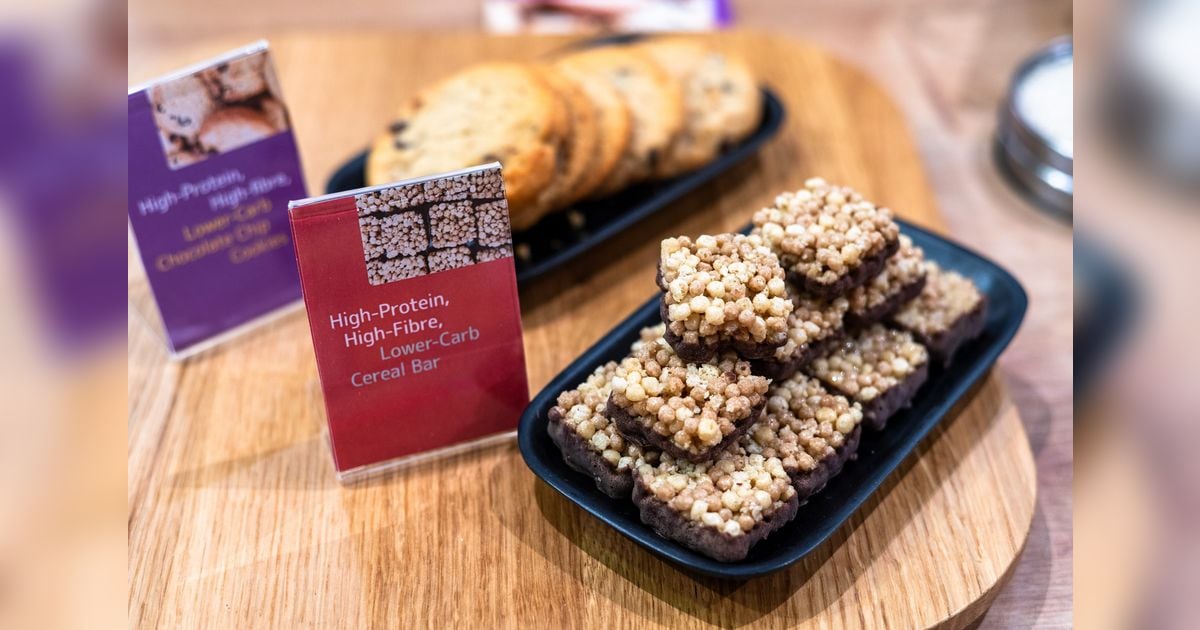
Texture, Color, and Aroma Drive Consumer Interest Fifty-six percent of consumers seek unusual texture combinations paired with appealing color and aroma. The company supplies extruded crispies in various sizes for light-to-robust crunch in bars, cereals, and chocolate-coated products, plus breading crumbs ranging from delicate to crisp textures.
Metabolic Health Without Sacrifice Thirty-nine percent of consumers want products supporting balanced energy and blood sugar without compromising enjoyment. Modified starches replace glucose syrup in confectionery coatings and glazes, enabling reduced-sugar finishes. Fiber-rich starches reduce carbohydrate content in baked goods, pasta, and pizza while maintaining texture and taste. Sugar-, salt-, and dairy-free crispies and non-fry crumbs support oven and air-fryer preparation.
Sourcing and Transparency Reshape Supply Chains Consumers increasingly ask about raw material origin.
Crespel & Deiters prioritizes renewable materials grown in Germany and Europe—wheat, pea, and faba bean—with processing concentrated at its Ibbenbüren headquarters and extrusion center in Helmond, the Netherlands. A state-of-the-art silo facility ensures supply chain security with ISO-certified quality assurance. "The refinement of renewable raw materials lays the foundation for product innovation while supporting a sustainable circular economy," says Philipp Deiters, member of the Executive Board and CSO Food at Crespel & Deiters. "For manufacturers, this creates measurable benefits, such as improved product performance and more efficient, resource-saving processes. We support our customers throughout the product development process, from initial trials to full-scale production, so that current trends can be easily translated into market-ready products through targeted formulation adjustments."
Why It Matters
For food manufacturers and ingredient buyers, these trends signal that reformulation using functional ingredients is no longer optional. Consumers expect nutritional benefits, sustainable sourcing, and sensory quality in parallel—and ingredient suppliers with technical depth and local supply chains are positioned to deliver solutions at scale.
For more insights and trends in the food and beverage sector, check out more articles in The Food & Beverage Magazine family of publications.
Written by FBM Publications Editors